Buying off-plan in Punta del Este means buying a unit before or during construction, directly from the developer: you get in with a reservation and purchase agreement of between 10 and 30% of the price, pay in installments during construction —generally interest-free— and settle the balance on delivery. The main advantage is the launch price, lower than that of a finished unit: the appreciation expected by delivery is the gain for whoever got in first. Below, how the scheme works, what benefits the Promoted Housing program offers, and what risks need to be watched.
Why off-plan sales drive the Punta del Este market
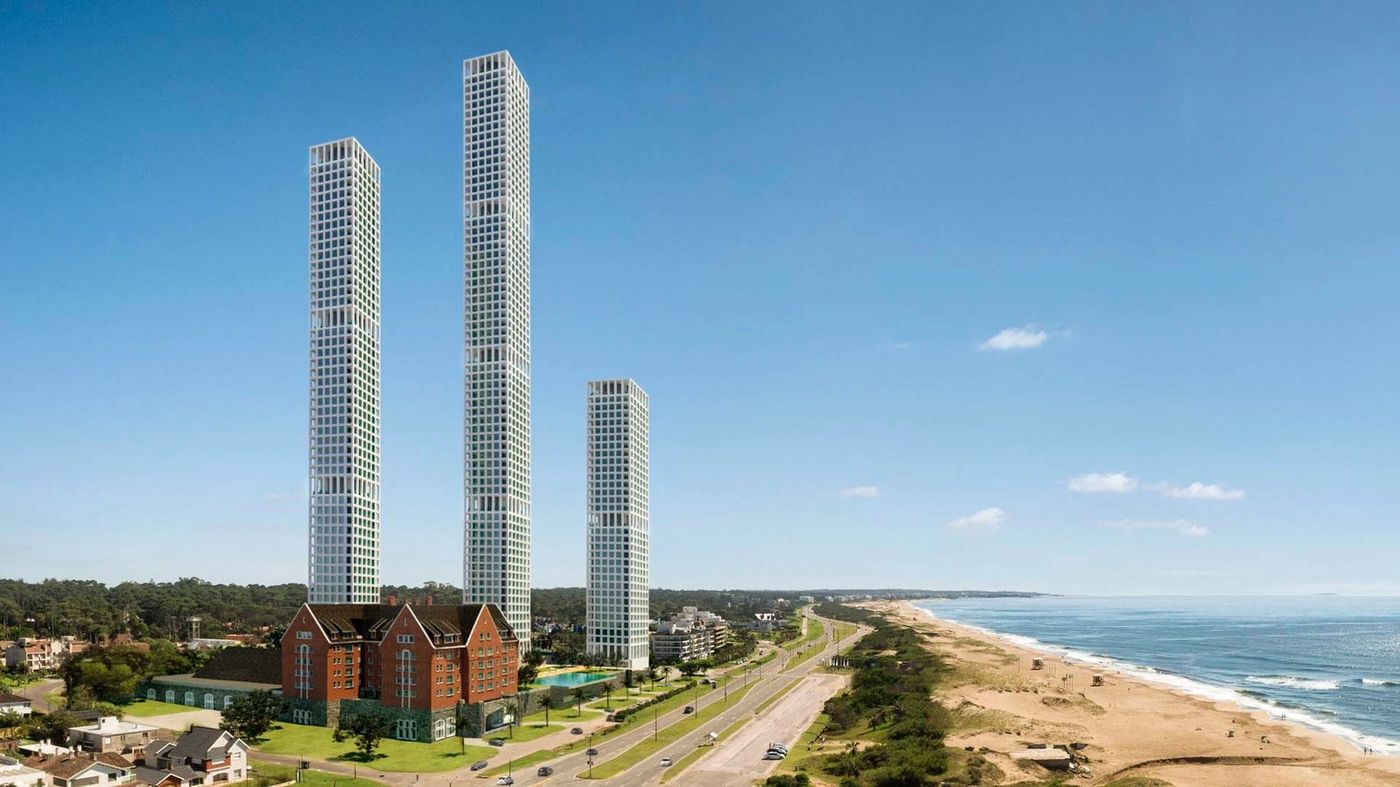
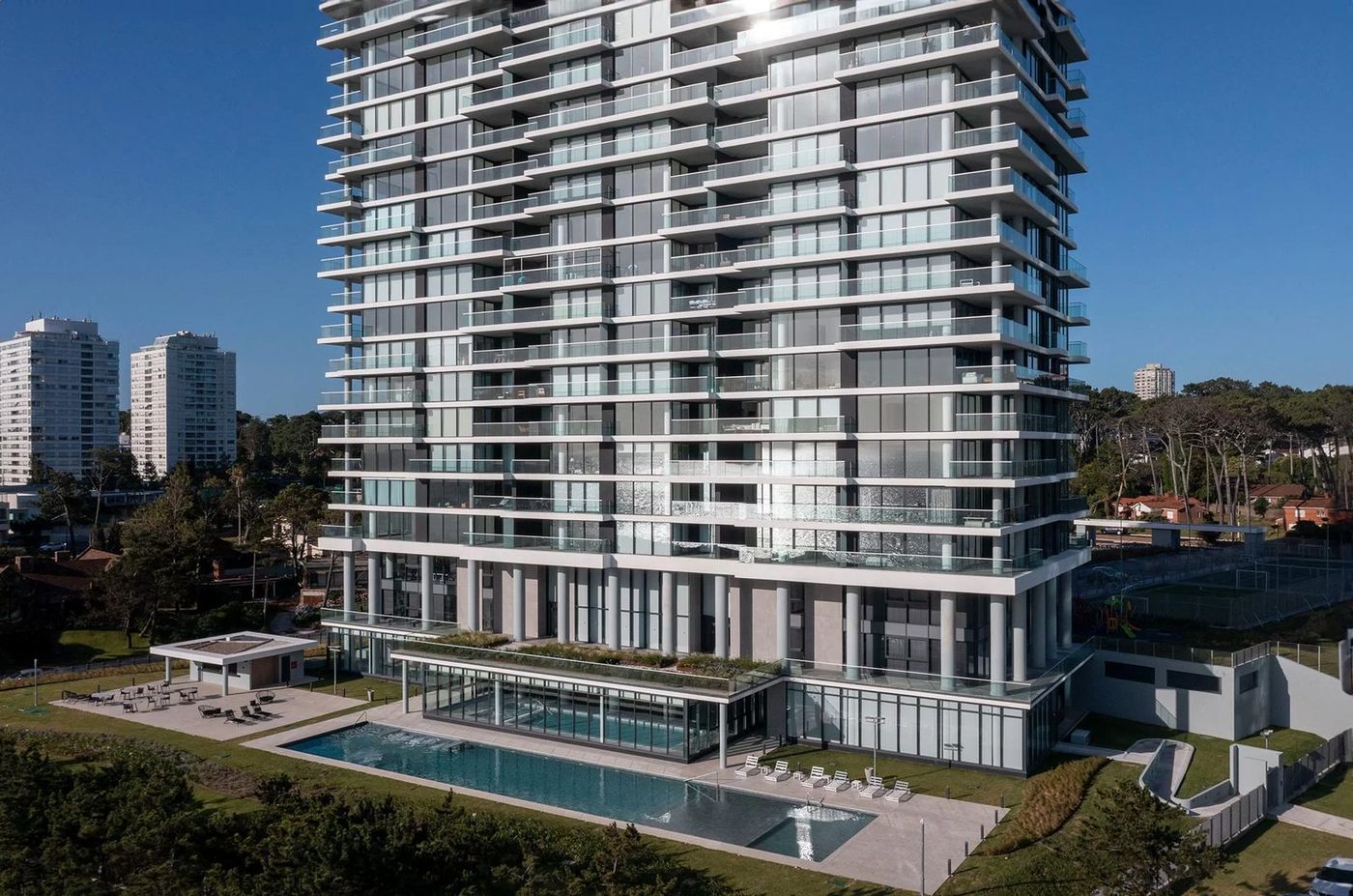
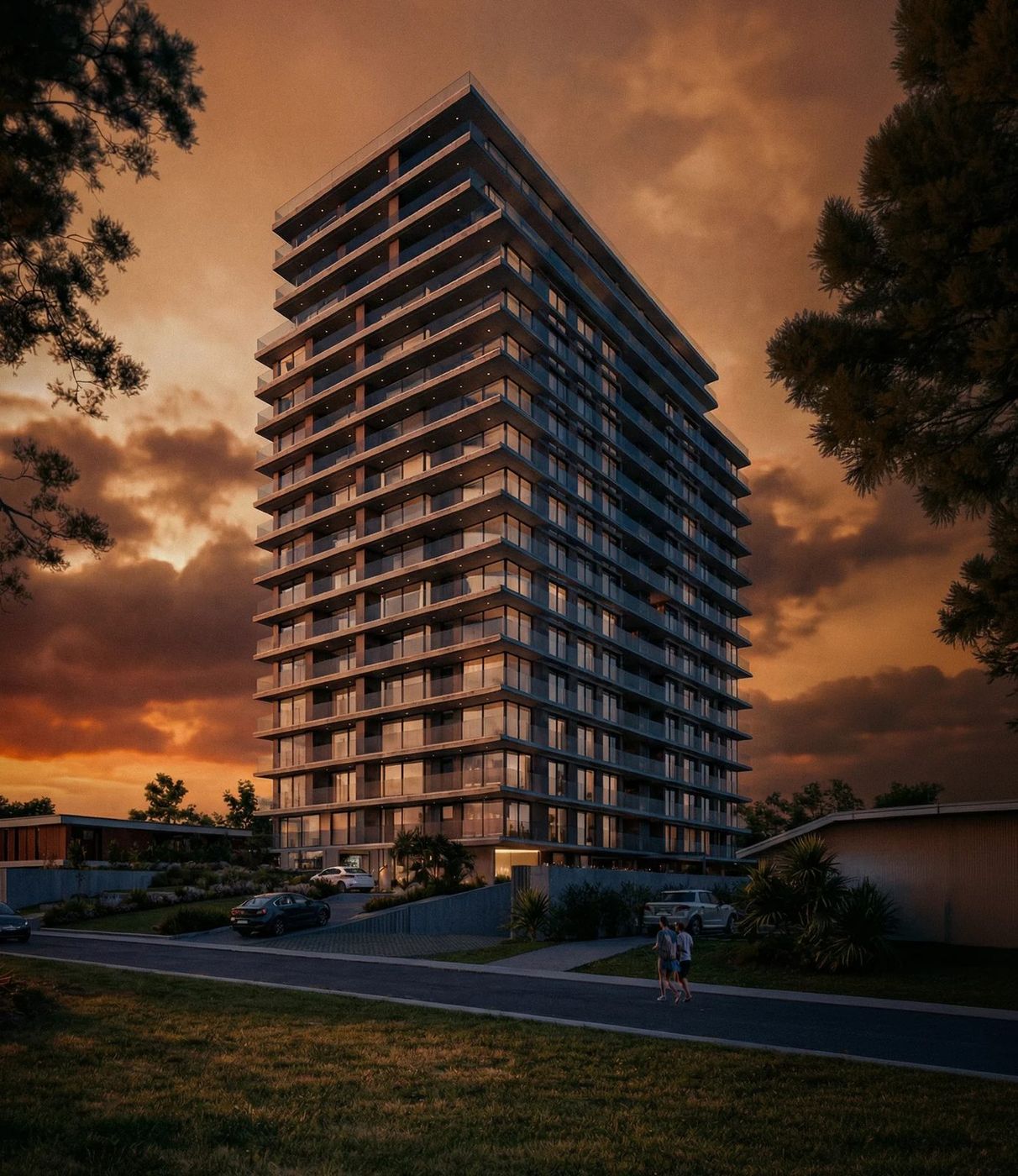
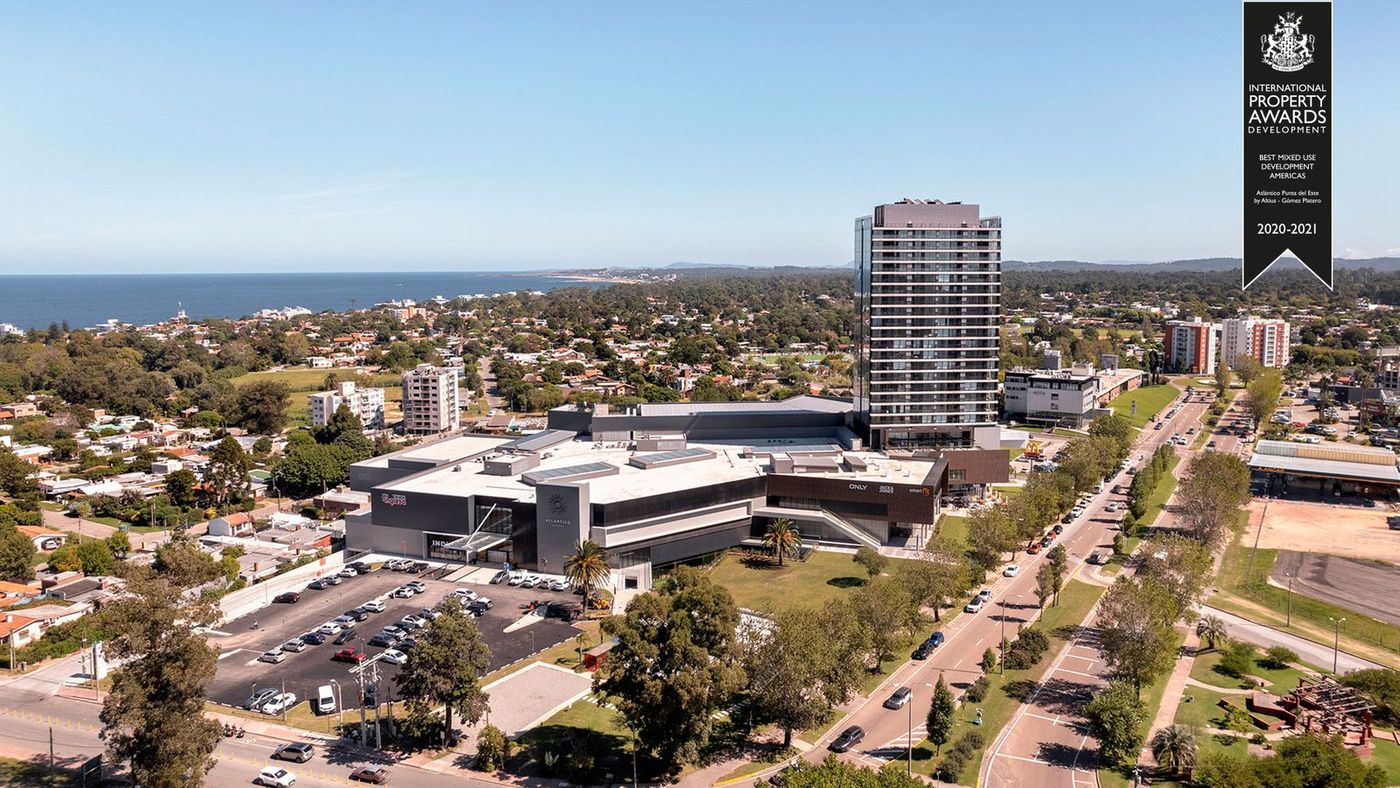
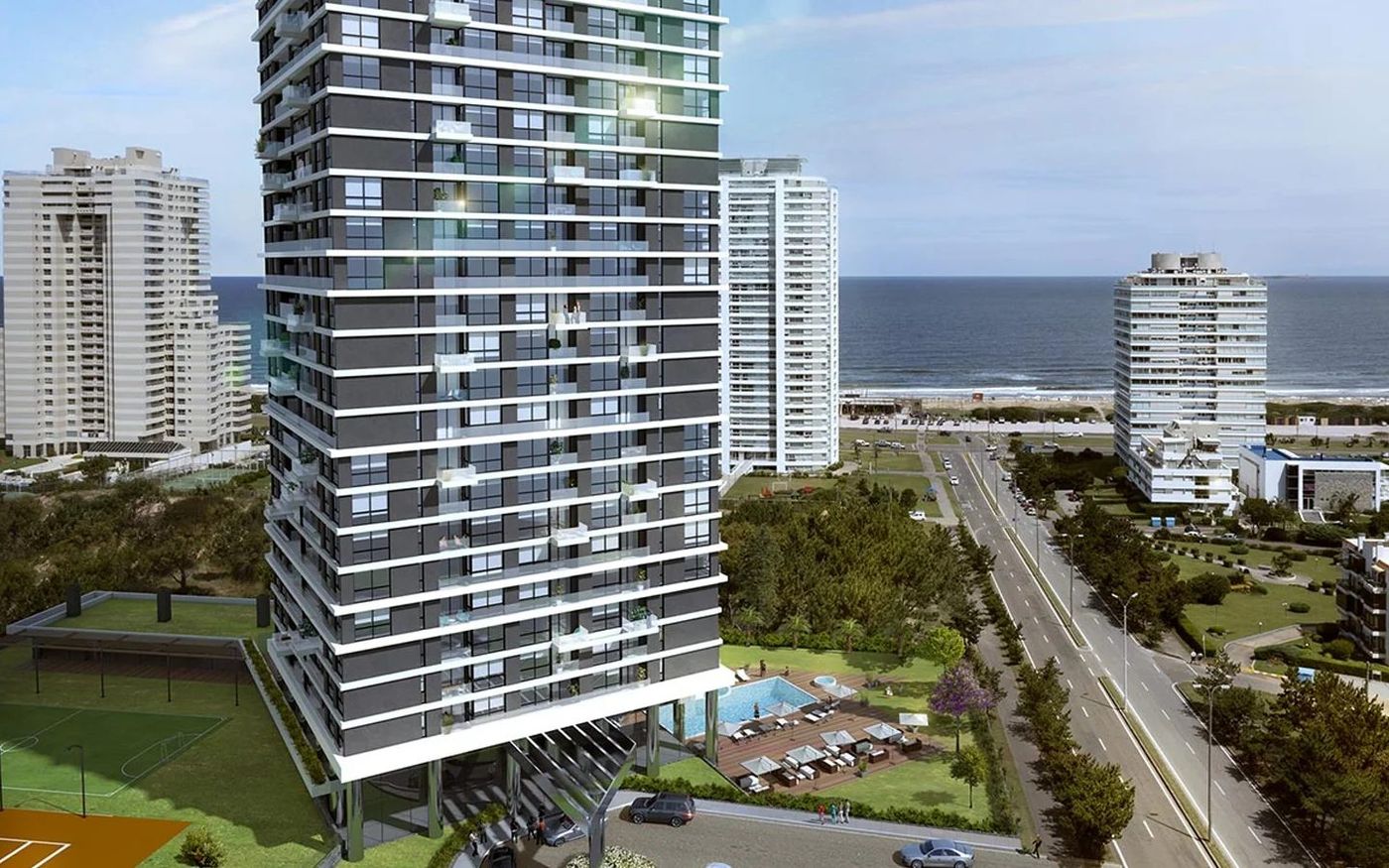
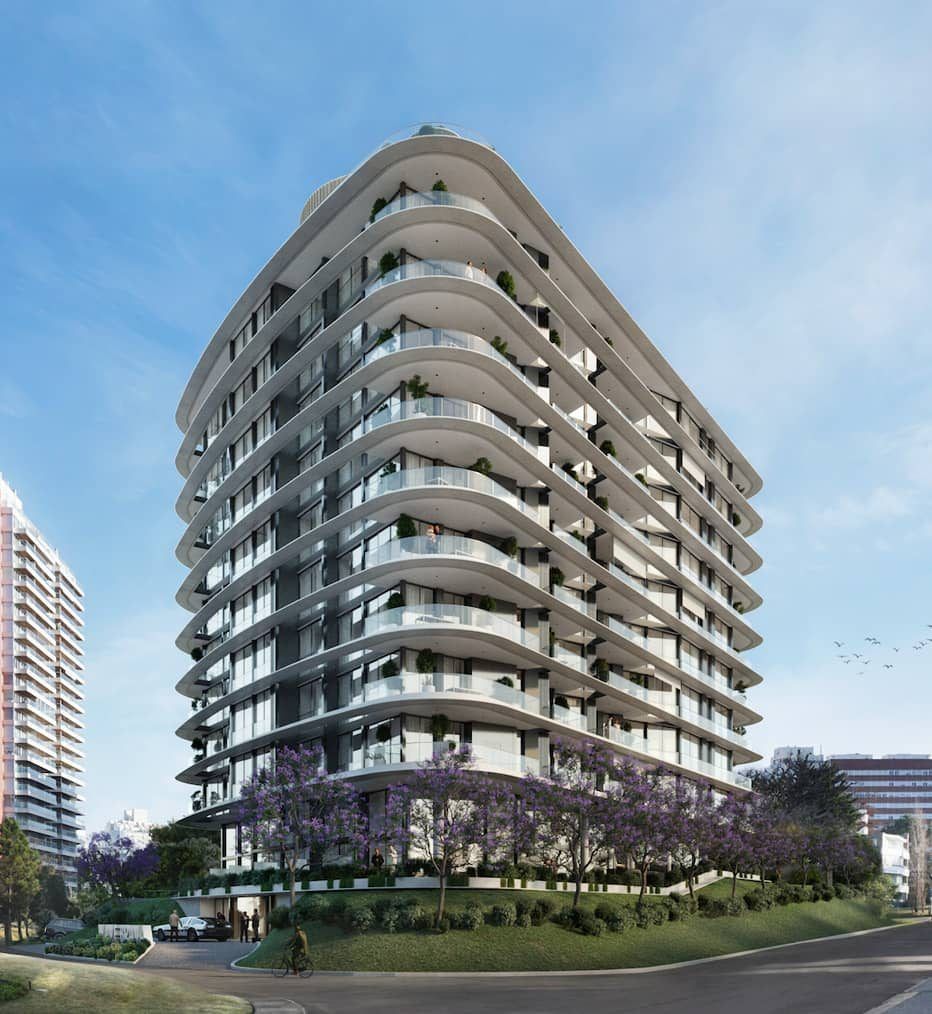
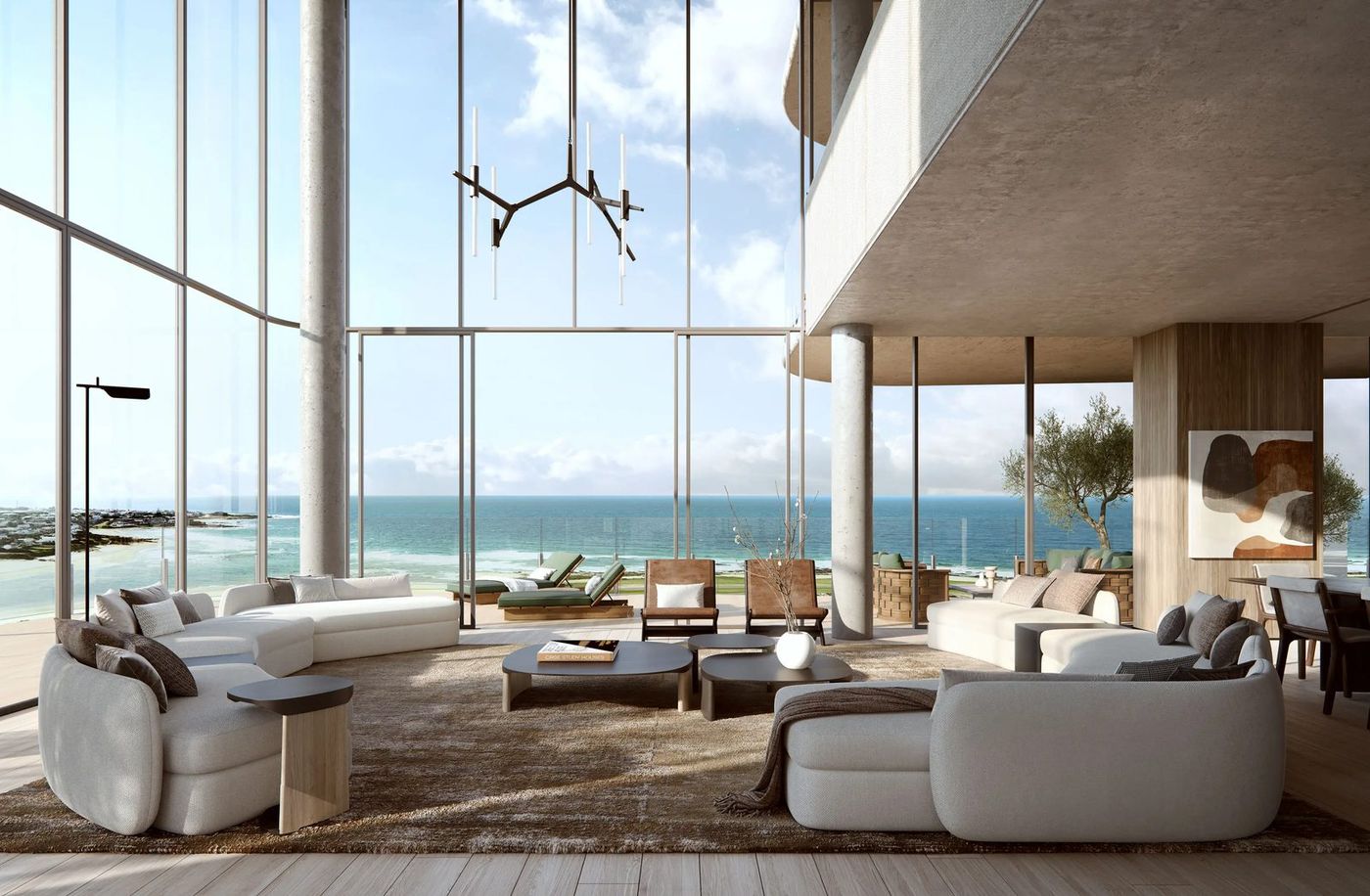
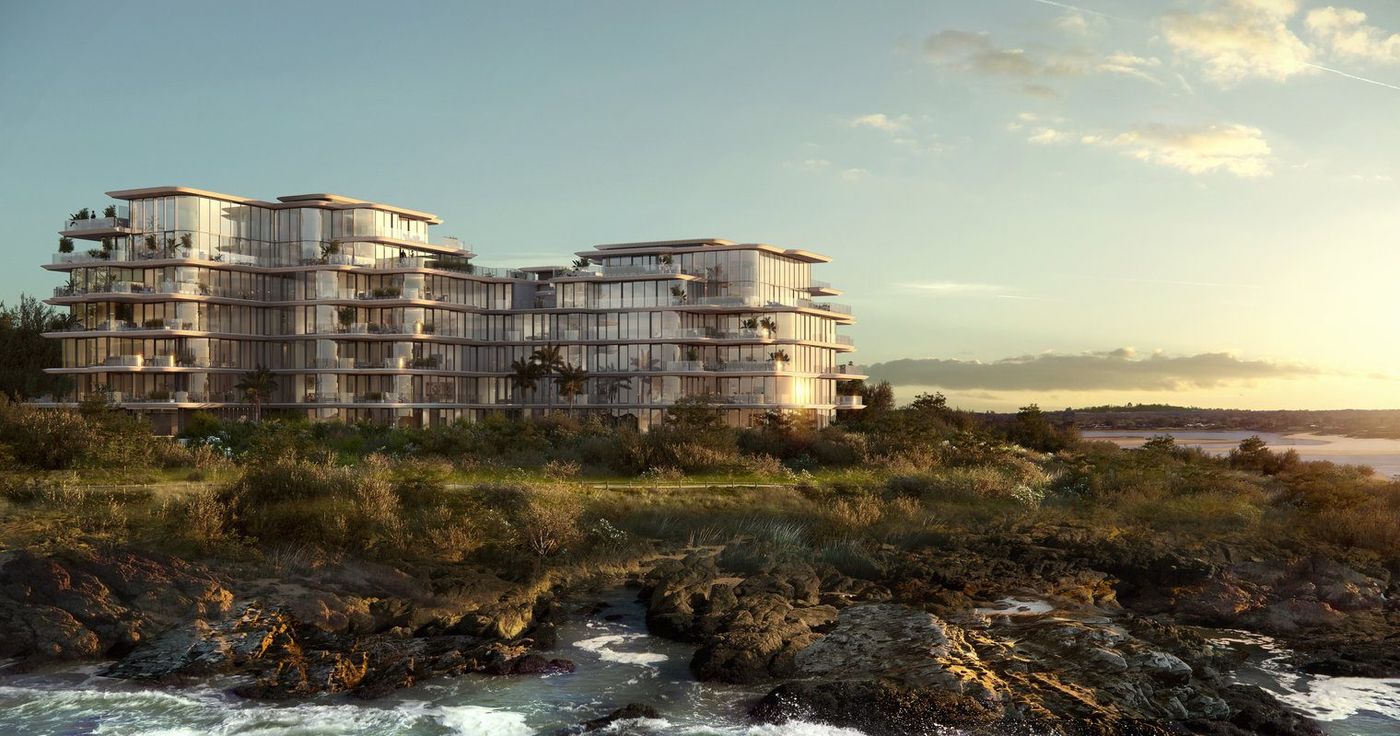
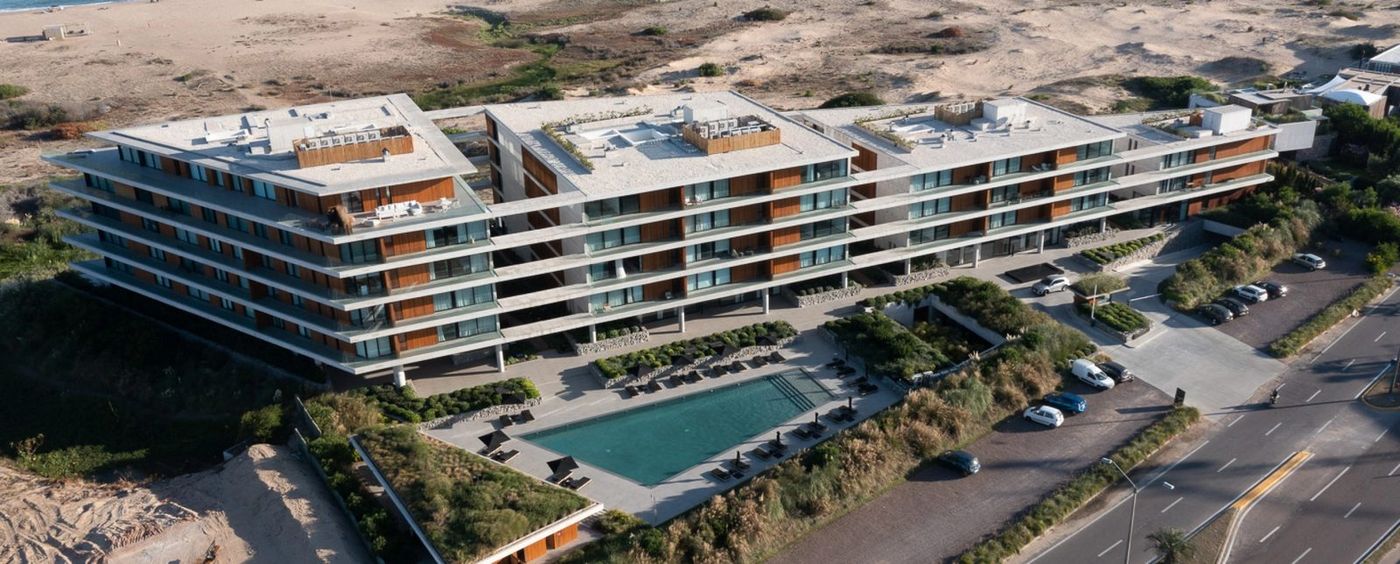
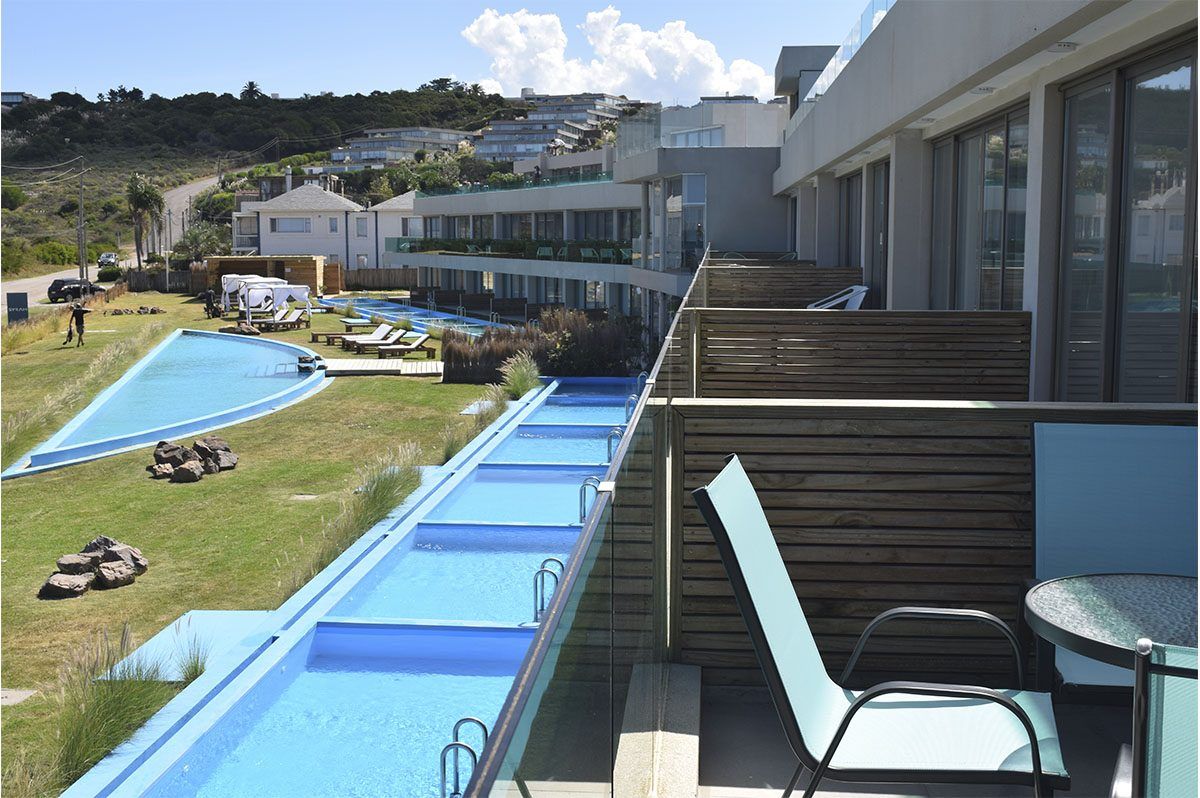
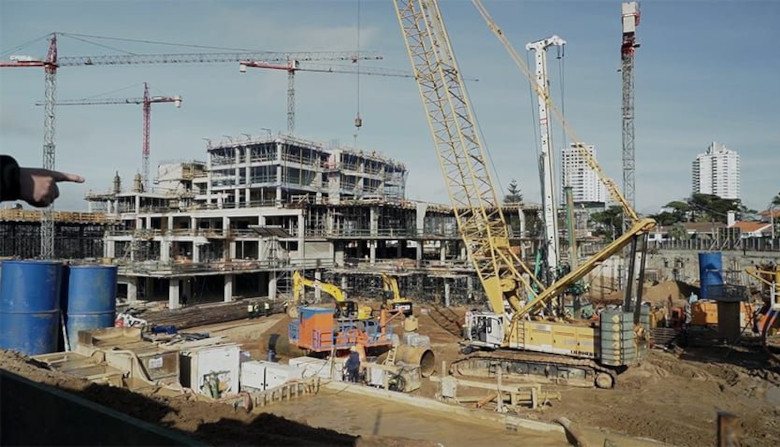
New construction is no marginal phenomenon: in Maldonado, more than 4,8 million square meters of construction were approved over the last twenty-five years, about USD 9.000 million in investment according to the Intendencia, and today more than 70 active developments coexist in the market, of which around twenty are large towers and complexes at different stages. Much of that activity is concentrated along the Playa Brava axis and Roosevelt avenue, though there are also projects on Playa Mansa and in La Barra. For the buyer, that volume translates into real variety: different entry prices, different payment plans and different delivery timelines coexisting in the same market. There are premium beachfront towers and subsidized-housing projects with noticeably lower entry tickets; there are imminent deliveries and launches where everything is still to be built. The current catalog is gathered under developments and towers.
How the payment schedule works during construction
Although each project sets its own plan, the typical structure has three stages:
- Reservation and contract: ≈10–30% of the price. This is your entry into the project and what secures the chosen unit, with the price and terms set in writing.
- Installments during construction. Staggered payments in dollars while it's being built, financed directly by the developer and, generally, interest-free.
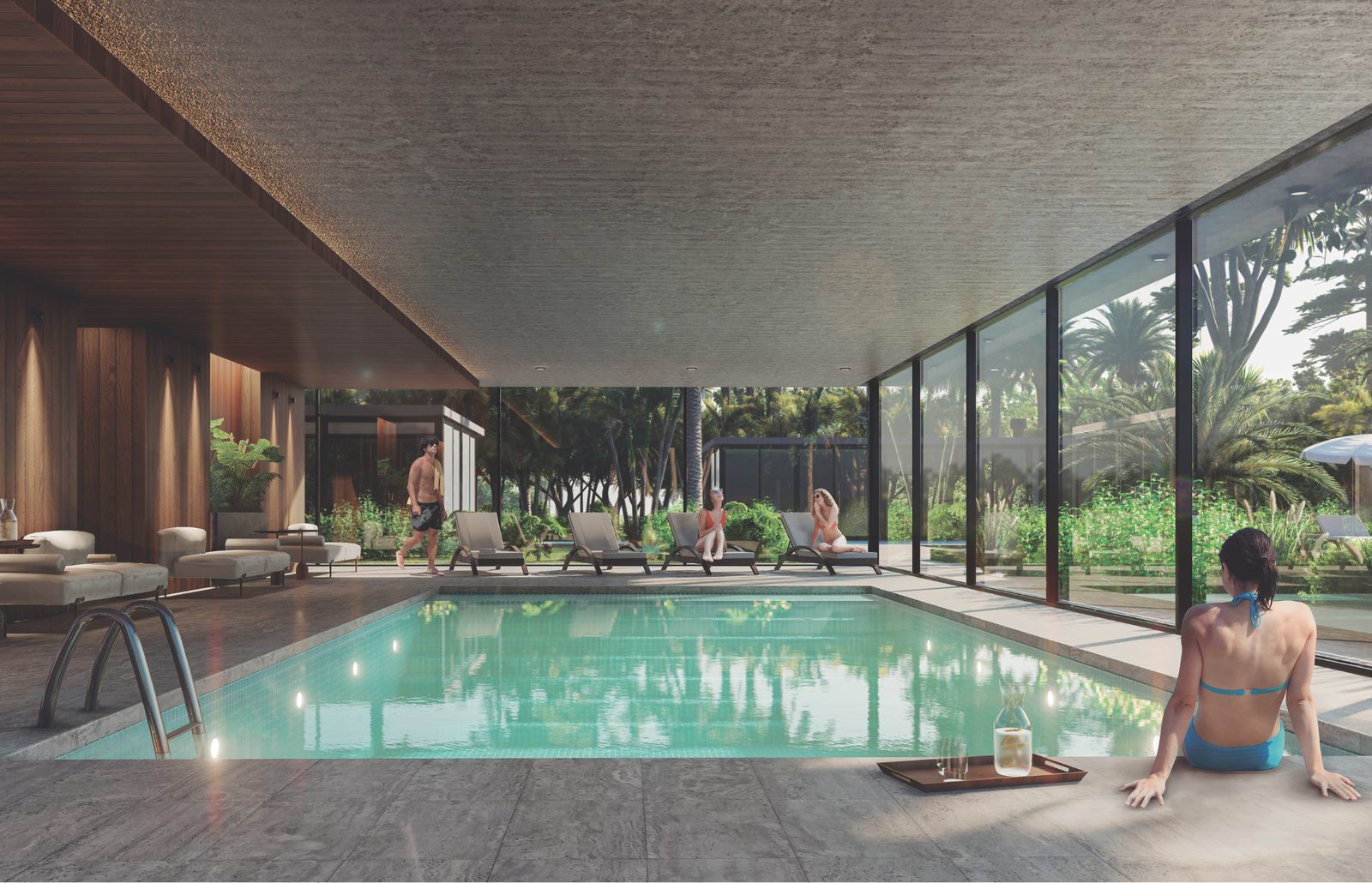
- Plans and common-area furnishing: 3% to 6% of the price. This is the item that surprises people most and isn't always in the list price: the cost of the plans and furnishing the common areas is charged separately and paid in installments during construction. The exact amount depends on each project, so it's worth asking before signing the reservation.
- Balance on delivery. The final payment is made upon receiving the unit and signing the deed.
That staggered schedule is, in practice, the most accessible financing in the market: no bank is involved, there's no credit file to put together, and the financial cost during construction is usually zero. For someone who doesn't have the full capital today but does have a dollar income stream, it's the natural entry point. We compare this route with cash payment and bank credit in the article on payment methods and financing.
Off-plan payment schedule · Ref.
Reservation + agreement
≈10–30% of the price: secures the unit, with conditions set out in writing.
Installments during construction
Staggered payments in dollars, generally interest-free.
Balance on handover
Final payment when you receive the unit and sign the deed.
Direct financing from the developer, in dollars. The exact plan is set out in each project's reservation agreement.
Promoted housing: what Law 18.795 offers
Some off-plan projects fall under the promoted-housing regime (Law 18.795), which grants significant tax exemptions for the investor: benefits on the ITP and on rental income for a set period. As a value reference, promoted-housing units run between USD 2.500 and 4.500 per square meter, below the average for premium areas. The exact scope of the benefits varies by project: it must be checked case by case before signing, and this is a point where professional advice pays for itself many times over.
Note: these values are only averages. Many properties fall above and below these figures, depending on the exact area, the building, the size, the view and the condition.
The risks to check before signing
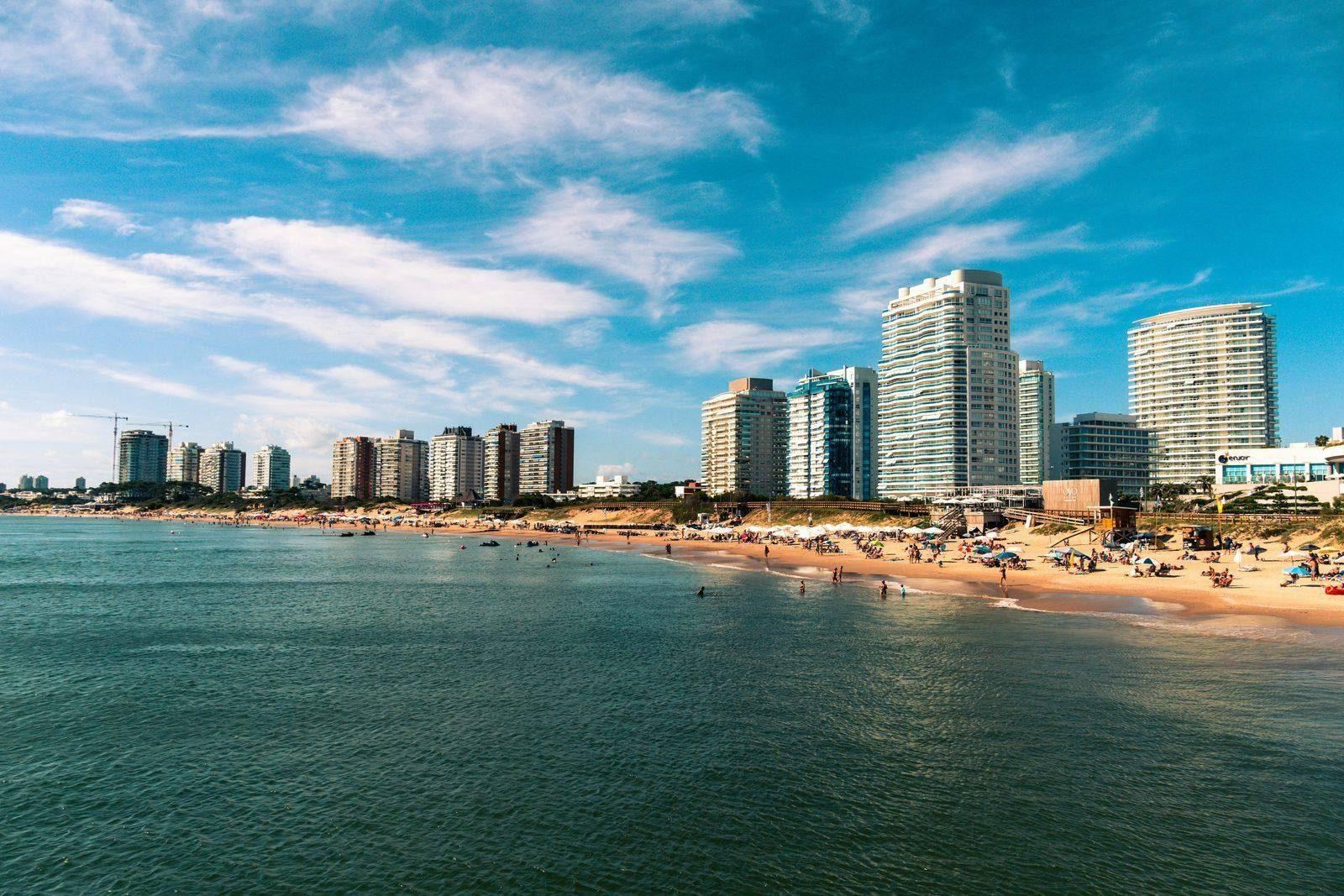
Buying off-plan means buying a promise of construction, which is why due diligence matters more than with a completed unit. The four points to check:
- The developer's track record. Projects delivered, deadlines met, final quality. Track record is the best predictor.
- Legal structure of the project. A cost-based trust is not the same as a fixed price: it changes who bears any construction cost overruns.
- Construction timelines and penalties. What delivery date the reservation agreement commits to, and what happens if it's not met.
- Reservation agreement clauses. Adjustments, late payment, assignment, termination. Everything that governs the relationship until the deed is there.
The recommendation is always the same: have your own notary review the reservation agreement and the project's structure before you commit. It's the same professional who will later handle the title search and the deed, as in any purchase — the full process is described in the guide on buying a property in Uruguay. A good project withstands that scrutiny without any problem; if the developer gets uncomfortable with the questions, that discomfort is information too.
We work with the active developments in Punta del Este and tell you frankly which ones fit your goal and which don't.
How to choose the right project for your goal
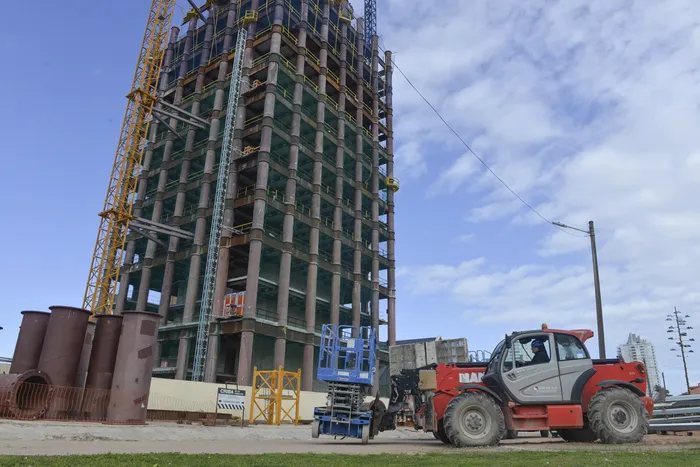
The initial filter isn't the render: it's your goal. If you're buying to rent out, what matters is the zone with proven demand, the amenities that seasonal tenants value, and the tax benefits of tax-incentivized housing. The demand signal is concrete: the 2025/26 season was record-breaking, and the practical rule we see repeating is that January's rent covers the year's expenses in most cases; the full analysis is in the guide to investing in Punta del Este. If you're buying for personal use, orientation, floor plan and neighborhood matter more: a tower designed for seasonal rental isn't always the best place to live year-round. And if this is your first deal, the step-by-step guide to buying your first property walks you through the whole decision, including the 7–9% in purchase costs added to the price under any arrangement. After delivery, holding costs are the same as for any property: you'll find them in how much it costs to maintain a property.
Frequently asked questions
What percentage is paid when buying off-plan?
The typical scheme starts with a reservation and agreement for 10–30% of the price, continues with installments during construction — generally interest-free — and is completed with the balance due on handover or signing of title. Each project sets out its exact plan in the agreement.
What is promoted housing (Law 18.795)?
It's a regime that grants significant tax exemptions to approved projects: benefits on the ITP and on rental income for a set period. The specific scope varies by project, so it always needs to be checked before signing.
What are the main risks of buying off-plan?
What you need to check is the developer's track record, the legal structure (cost-plus trust vs. fixed price), the construction timeline, and the clauses of the agreement. The recommendation is to review everything with your own notary before committing.
Can a foreigner buy off-plan in Punta del Este?
Yes, with the same rights as a Uruguayan and no need for residency. The transaction is done in dollars, in a personal name or through a company, with the same reservation, installment, and balance structure as for a local buyer.
Sources
Prices and construction terms as of July 2026. Before signing an off-plan purchase, it's worth checking the trust, the developer and the payment plan: if you'd like, we can go over it together on the project you're interested in.