Financing to buy in Punta del Este is structured today along three paths: paying in full — the most common in a market that operates in dollars —, direct financing from the developer when buying off-plan, generally interest-free during construction, and a local bank mortgage loan, with its own requirements. On top of that there are mixed structures, combining parts of each path. Let's look at how each one works and which buyer profile it makes sense for.
A market that operates in dollars (and what that means for your payment plan)
The first thing to understand: Punta del Este's real estate market runs on dollars, both in prices and payments. That shapes planning the same way for everyone: the Uruguayan buyer, who today drives much of the activity, and the buyer from abroad —Argentine, Brazilian and European— who arrives with capital already in dollars. It also explains why local-currency bank financing plays such a small role. There are no restrictions for foreigners: you buy with the same rights as a Uruguayan, without residency, as we detail in the guide on buying property in Uruguay. Operating in a hard currency, with free movement of capital and legal stability, is part of Uruguay's structural appeal as a real estate market: you build the payment plan once, and a devaluation never undoes it.
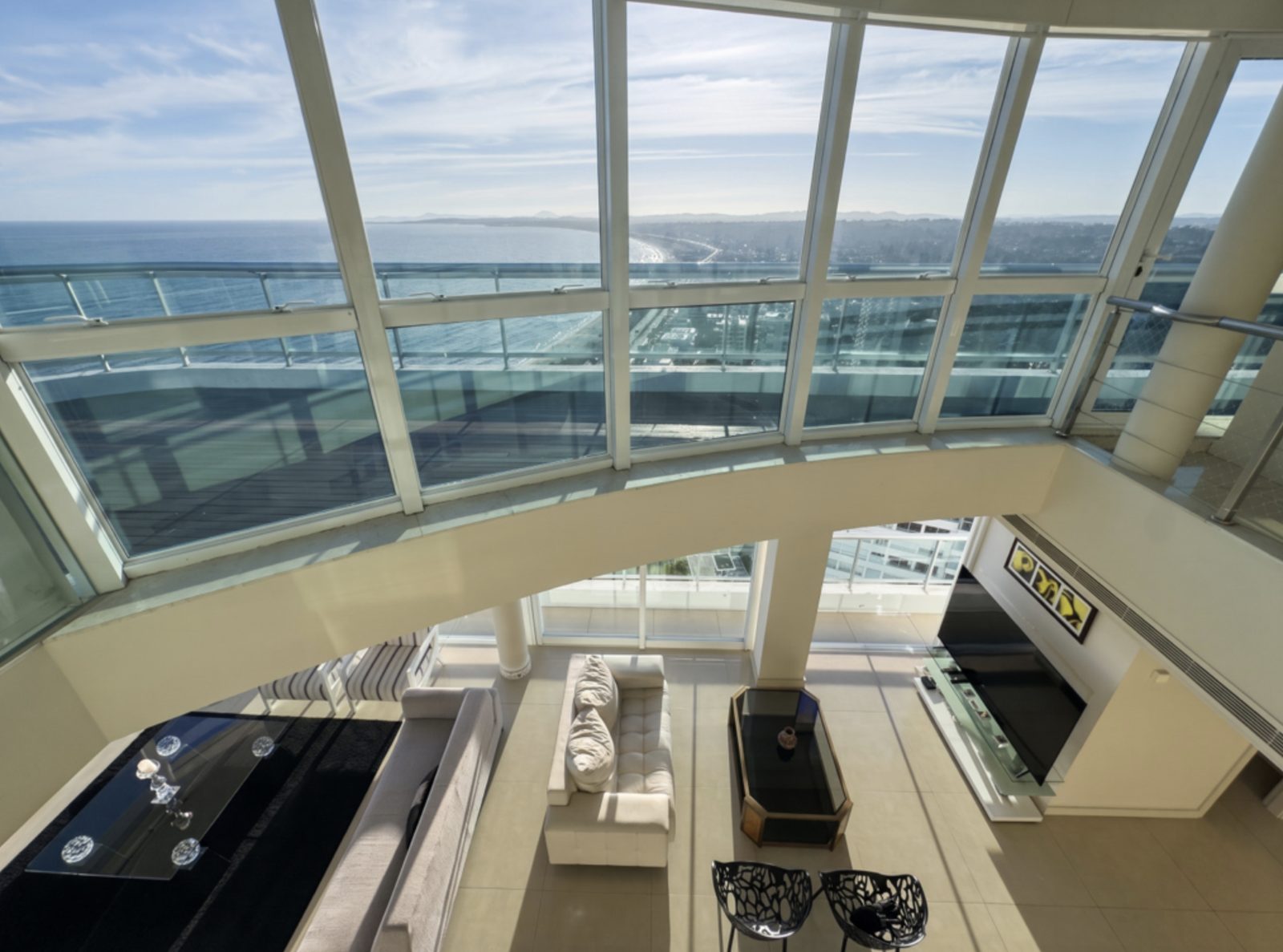
Buying in cash: the most direct route
Most deals on completed units close as cash purchases. The process is the classic one: reservation, reservation agreement, title search and deed, with 30 to 60 days typical between the agreement and the signing. Paying in cash usually gives more room to negotiate (depending on the type of property, deals in the market close between 6% and 10% below the listed price) and avoids any financing cost. For the seller, a cash buyer is a buyer who closes: that also translates into better terms when negotiating.
The flip side is obvious: it requires having the full liquid capital, plus an additional 7% to 9% in purchase costs (ITP, notary, commission and certificates, reference values as of July 2026). You can browse the current listings in apartments for sale and houses for sale.
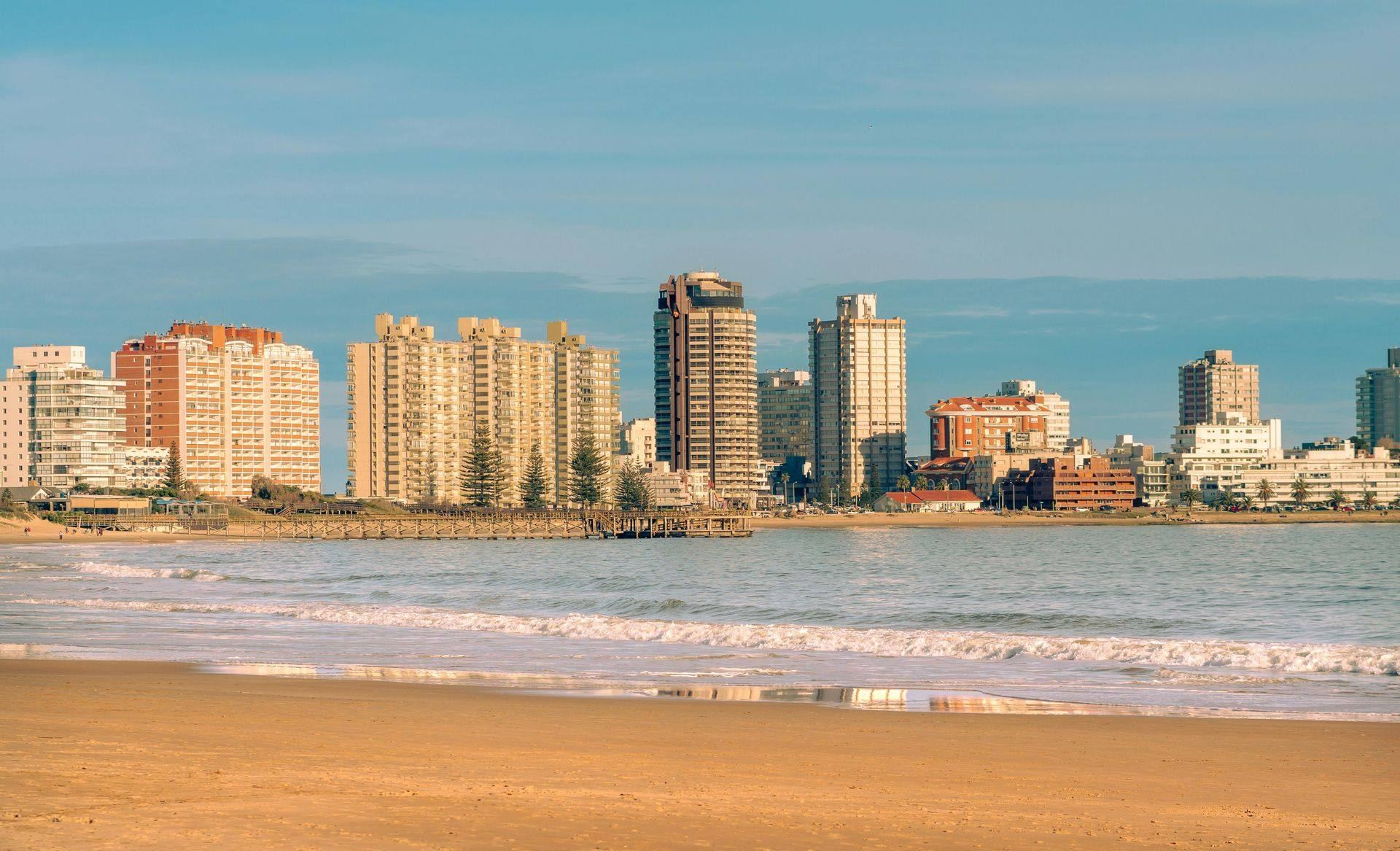
Developer financing: paying while it's being built
The most widely used financing alternative in the market isn't offered by banks — it comes from the developers themselves, when buying off-plan. The typical scheme is a reservation and agreement for 10–30% of the price, installments in dollars during construction — generally interest-free —, and the balance due on delivery or signing of the deed. Buyers also get in at the launch price, lower than that of the finished unit, so the expected appreciation by the time of delivery works in the buyer's favor.
With more than 70 active developments in 2026, there are payment plans for very different profiles, including subsidized-housing projects (Law 18.795) with significant tax exemptions. Current projects are gathered in developments and towers, and you can also check out gated communities if your plan involves a house and a plot.
Bank mortgage loan: what the bank asks for
Local banks offer mortgage loans, and for some profiles (especially those who live and earn income in Uruguay) it can be a valid tool for bringing the purchase forward. Terms, timelines and approval are assessed case by case with each bank, so if this route interests you, it's best to start the conversation with the bank before reserving a property, not after.
A requirement that stalls deals at the last minute: to buy with a mortgage loan, the property has to be up to date with the BPS. If the property carries outstanding social security contributions, the bank won't move forward until that's settled, and settling it takes time. It's one of the first things we check when a buyer tells us they'll be financing: better to catch it before signing the reservation than to discover it with the closing date looming.
The local banks, one by one
Five institutions concentrate mortgage lending in Uruguay: the state-owned BHU and the private Santander, BBVA, Itaú and Scotiabank. All of them lend in Unidades Indexadas —the UI is adjusted for inflation, so the installment tracks the cost of living— and several also lend in dollars, always at a considerably higher rate. These are the values published as of August 2026:
| Bank | Rate in UI | Rate in dollars | Maximum term | Finances up to |
|---|---|---|---|---|
| BHU (state-owned) | From 3,75% APR | — | 25 years | 80% of the value, up to 90% with saver benefit |
| BBVA | From 3,75% APR | 6,00% a 6,50% | 25 years | 90% first home · 70% second |
| Scotiabank | From 3,80% APR | 7,50% + VAT | 25 years in UI · 15 in dollars | 90% first home · 75% second |
| Itaú | 4,50% TEA · 3,75% for Personal Bank customers | — | 30 years | 80% of the value |
| Santander | From 3,75% APR advertised · 4,00% to 4,75% per rate sheet | 6,75% | 30 years first home · 15 second | 85% first home · 60% second |
TEA stands for effective annual rate. Watch out for “from” rates: they reflect the best-case scenario, available only with the best credit profile, large loan amounts and, at several banks, if you have your payroll there. Santander is the clearest example of the gap: its website advertises a “rate from 3,75%” for a primary home in UI over 30 years, while the product sheet, dated March 2026, sets 4,00% up to 10 years and 4,75% from 11 to 30. The figure that ends up in your contract is the one on the product sheet, adjusted to your profile, not the headline rate. Always ask for it in writing before signing anything. Loan caps also vary: BHU lends between 100.000 and 2.800.000 UI, Itaú up to 4.500.000 UI, Scotiabank up to USD 700.000 in dollars, and Santander up to USD 750.000 for a primary home, but only USD 300.000 for a second home.
The fine print that changes everything in Punta del Este
Almost all the figures above are for a primary residence: the home where you're going to live. A purchase in Punta del Este generally counts as a second home, and there the terms tighten on three fronts at once. The bank finances less: from 85% or 90% it drops to 60% or 75%. The term shortens: Santander cuts it from 30 to 15 years. And the rate goes up. Translated into money: for the same property you need considerably more of your own capital on the table.
On top of that come the origination costs, which are worth budgeting for from the start: administrative fees of around 1% to 1,5% of the amount plus VAT, the bank's notary fees of around 0,45% plus VAT, property appraisal, and mandatory life and fire insurance for the entire life of the loan.
What if you don't live in Uruguay?
It's the question we get asked most, and the short answer is that there's only one door clearly open. Santander offers a specific line for non-residents: 4,75% in UI or 6,75% in dollars, terms of up to 15 years, a minimum household income of USD 5.000 per month and an installment that can't exceed 20% of that income. The other banks review it case by case and, in practice, ask for income earned in Uruguay. That's why the vast majority of foreign buyers end up settling the deal in cash or with developer financing.
Advice we always give: if this route interests you, start the conversation with the bank before reserving a property, not after. Between credit analysis, appraisal and closing, private banks work with terms of 30 to 45 days, and the BHU can go up to 50 or 70. A reservation agreement signed with shorter deadlines leaves you exposed to losing the deposit.
Rates and terms as published by each bank as of August 2026, subject to change and credit approval. We are not financial advisors: the figure that will apply to you is the one the bank confirms to you in writing.
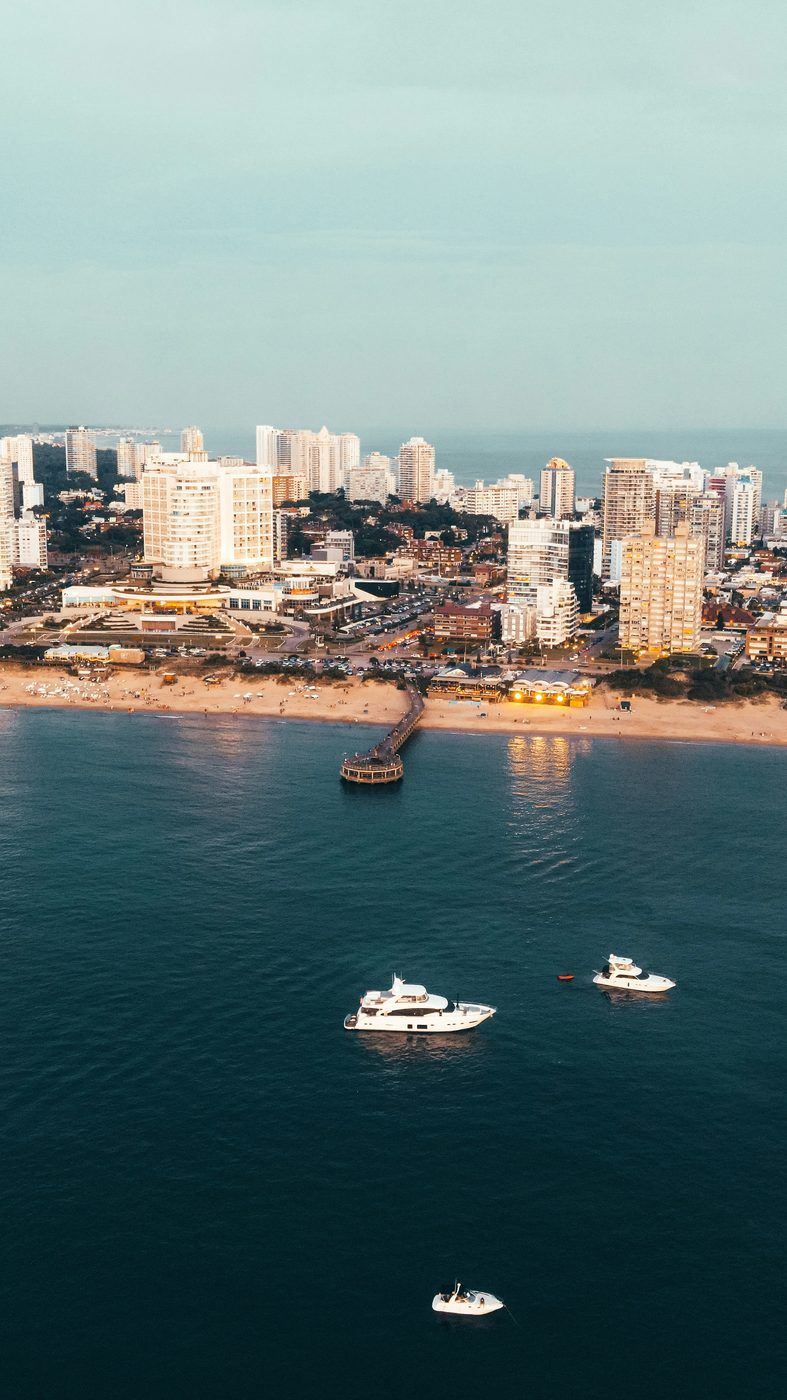
Mixed structures: combining approaches
In practice, many purchases are put together by combining pieces: part in cash and the rest in construction-period installments; the sale of an asset (another property, for example) that finances the balance; or a payment plan negotiated directly with the developer depending on the stage of construction. If you have a property to sell as part of the deal, our sales team can coordinate the timing on both ends. The key is that the whole structure be documented in the reservation agreement, reviewed by your notary: what isn't written doesn't exist, and what is written is what gets honored.
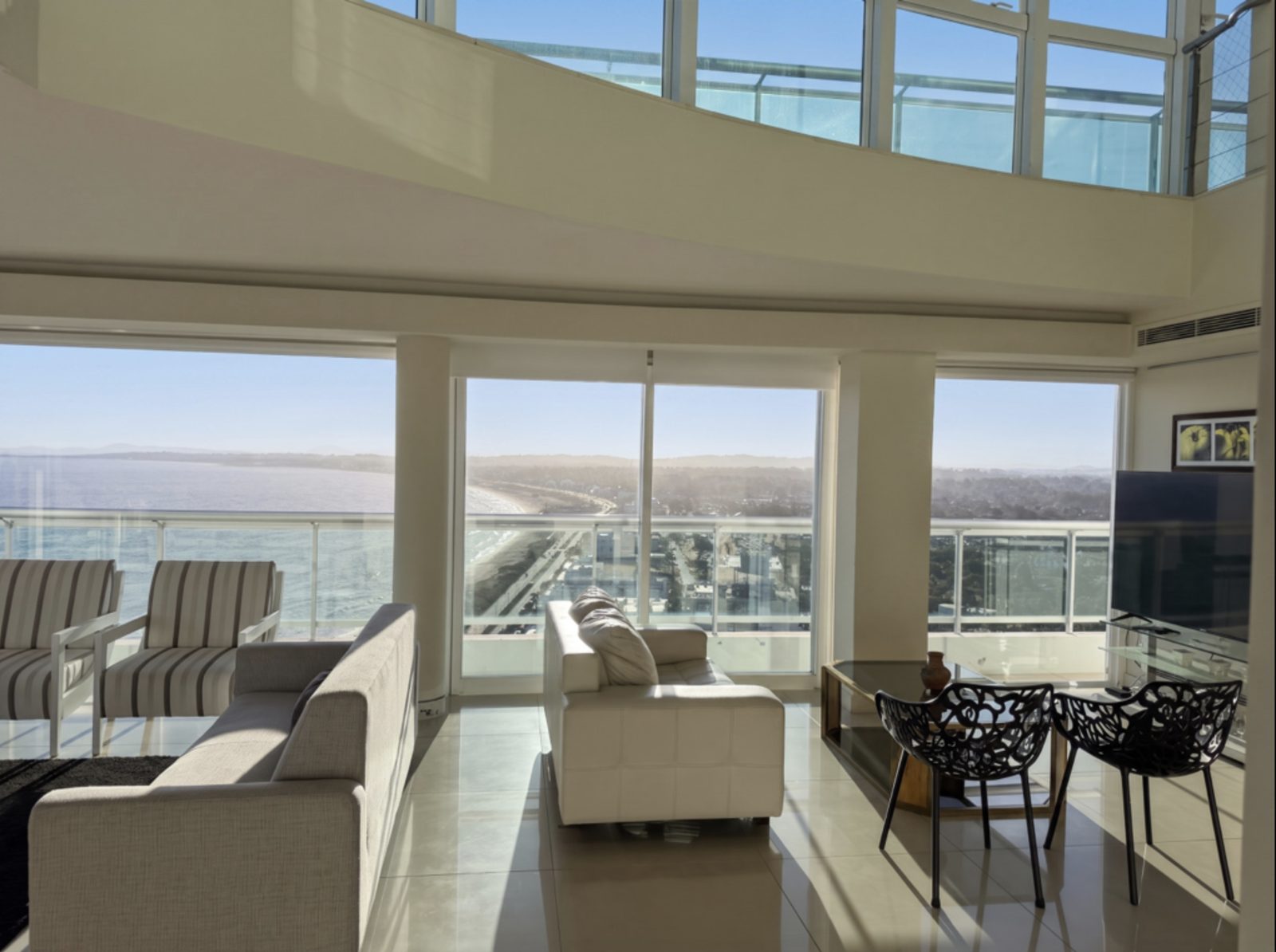
Which one is better? It depends less on the market than on your situation: available liquidity, your time horizon and your tolerance for waiting through construction. The table below sums up the three paths as we see them play out every day.
Three ways to pay · Ref. 2026
Cash
- The market's most common route, in dollars
- Greater negotiating power
- Simple process: 30–60 days from reservation agreement to deed
- Requires the full amount at the time of purchase
Developer (off-plan)
- Entry ≈10–30% with reservation and agreement
- Installments during construction, generally interest-free
- Launch price, lower than the completed unit's price
- Delivery waits until construction is finished
Bank loan
- Lets you buy without the full capital
- Processed at local banks
- Approval and terms assessed case by case
- The property must be up to date with BPS
Reference comparison. Each deal is structured to fit.
Tell us your situation and we'll show you which payment path fits best: cash, off-plan with developer installments, or a combination.
The full budget: don't forget the 8%
However you pay, the purchase costs are real: ITP on the cadastral value, notary fees (2% to 3% of the price), real-estate commission (3,28% + VAT) and certificates — between 7% and 9% on top of the price as a reference as of July 2026. And after signing come the holding costs (property tax, Primaria, building fees), which we cover in how much it costs to maintain a property. If this is your first deal, the guide to buying your first property walks through the whole process step by step; and if the purchase is an investment, also check out investing in Punta del Este.

Frequently asked questions
Do developers charge interest for off-plan financing?
Generally not during construction: the typical scheme is a reservation and agreement for 10–30%, installments in dollars while it's being built, and the balance on delivery. The exact terms of each project come from the reservation agreement, which is worth reviewing with your own notary.
Is mortgage financing available to buy in Punta del Este?
Yes. The BHU and the four major private banks —Santander, BBVA, Itaú, and Scotiabank— lend in UI at 3,75% to 4,50% a year and in dollars between 6% and 7,5%, over terms of 25 to 30 years. The catch is that those figures are for a first home: a purchase in Punta del Este usually counts as a second home, with financing of 60% to 75% of the value and terms of 15 years. And a requirement that's often overlooked: the property has to be up to date with the BPS, because with outstanding contributions the bank won't finalize the deed.
Can payment methods be combined?
Yes, and it's more common than it seems: part in cash and the rest in construction installments when buying off-plan, or a purchase leveraged on the sale of another asset. Each structure is negotiated and documented in the reservation agreement.
What costs are added to the price, however you pay?
As of July 2026, the buyer should budget between 7% and 9% extra on top of the price: ITP on the cadastral value, notary, real-estate commission and certificates. This cost applies regardless of the payment method chosen.
Sources
- ITP: rates and calculation basis on the real value set by Catastro · DGI
- Notary fees and real estate commission · Cámara Inmobiliaria Uruguaya
- Mortgage loan terms in UI · BHU
- Mortgage loan brochure, including the line for non-residents · Santander Uruguay
- Financing rates and percentages for primary and second homes · BBVA Uruguay
- Mortgage loan terms · Itaú Uruguay
- Home Loan in UI and in dollars · Scotiabank Uruguay
Payment methods and costs in effect as of July 2026. Tell us how you're planning to pay and we'll tell you which structure works best and what each party will require.