Investing in Punta del Este means, above all, investing in a market that runs entirely in dollars, with rental demand proven season after season and stable rules of the game: foreign buyers have the same rights as Uruguayans and residency isn't required. A practical rule sums up the appeal: in most cases, January's rent covers the whole year's expenses. Add areas that appreciated between 10% and 15% in just three years, and the result is one of the most solid real estate markets in the region.
Here's why the market holds up, what return to expect from each strategy, and how much it costs to get in. If you're still choosing a neighborhood, start with the best areas to invest in and the price-per-m² report by area.
Why the Punta del Este market is solid
Real demand, season after season
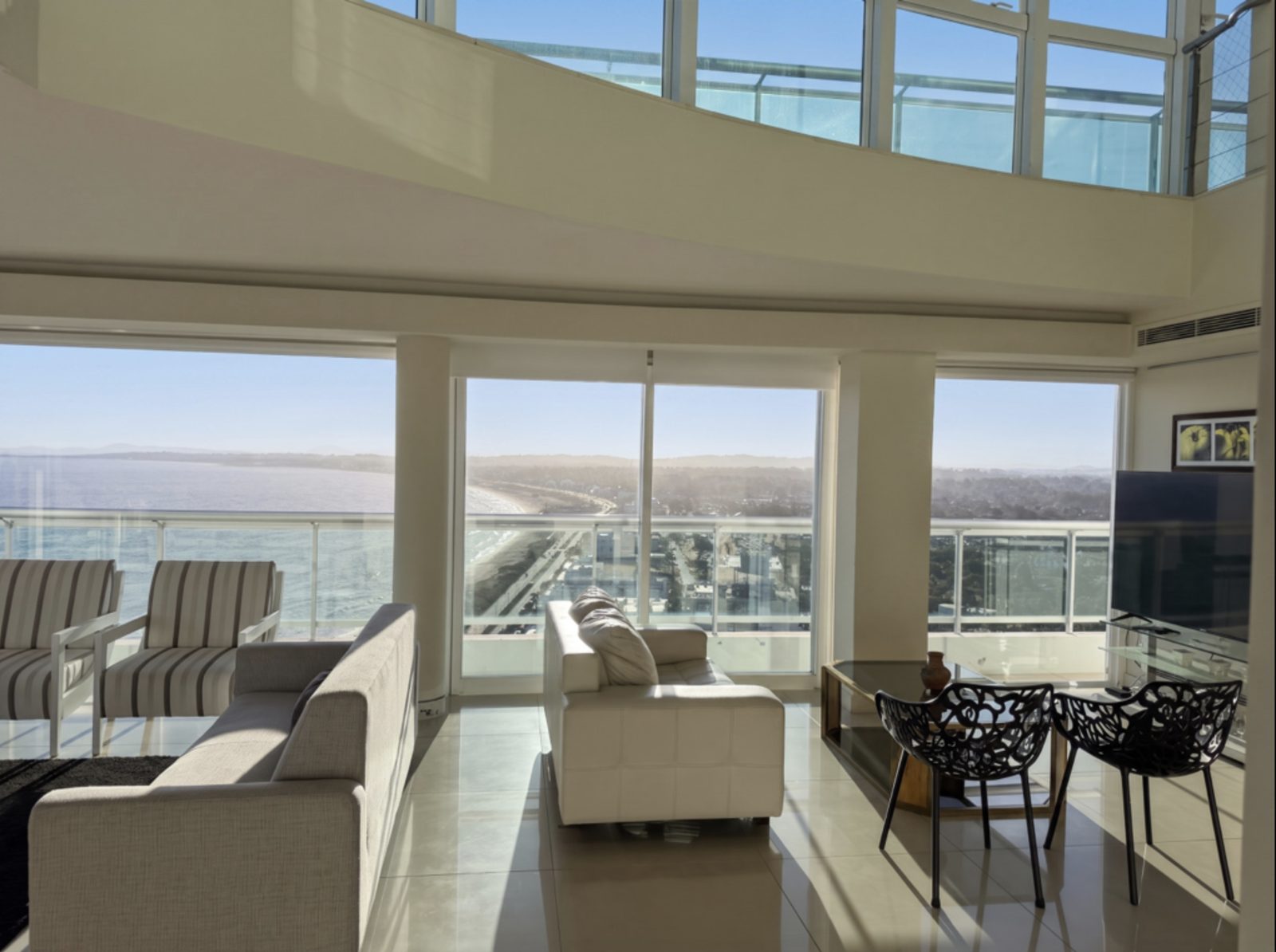
The demand base is regional and better distributed than a few years ago: the Uruguayan buyer is gaining weight and sustains activity outside the summer season, the Argentine buyer has moderated but remains strong in the top segment, and Brazilians and Europeans contribute an increasingly visible flow in new construction. That demand translates into occupancy: the 2025/26 summer season was a record, with around 110.000 beds and more than 90% booked in January. The first and second beachfront lines were practically fully booked, and in the top areas January occupancy neared 100%.
A dollar-based market, with clear rules
Deals are agreed and signed in dollars, which protects capital from the region's currency swings. The sale goes through a public notary, with a title search covering roughly the last 30 years, and the typical process between the reservation agreement and the deed takes 30 to 60 days. You can buy in your own name or through a company, without being a resident. The full step-by-step is in the guide on how to buy property in Uruguay.
An unprecedented development cycle
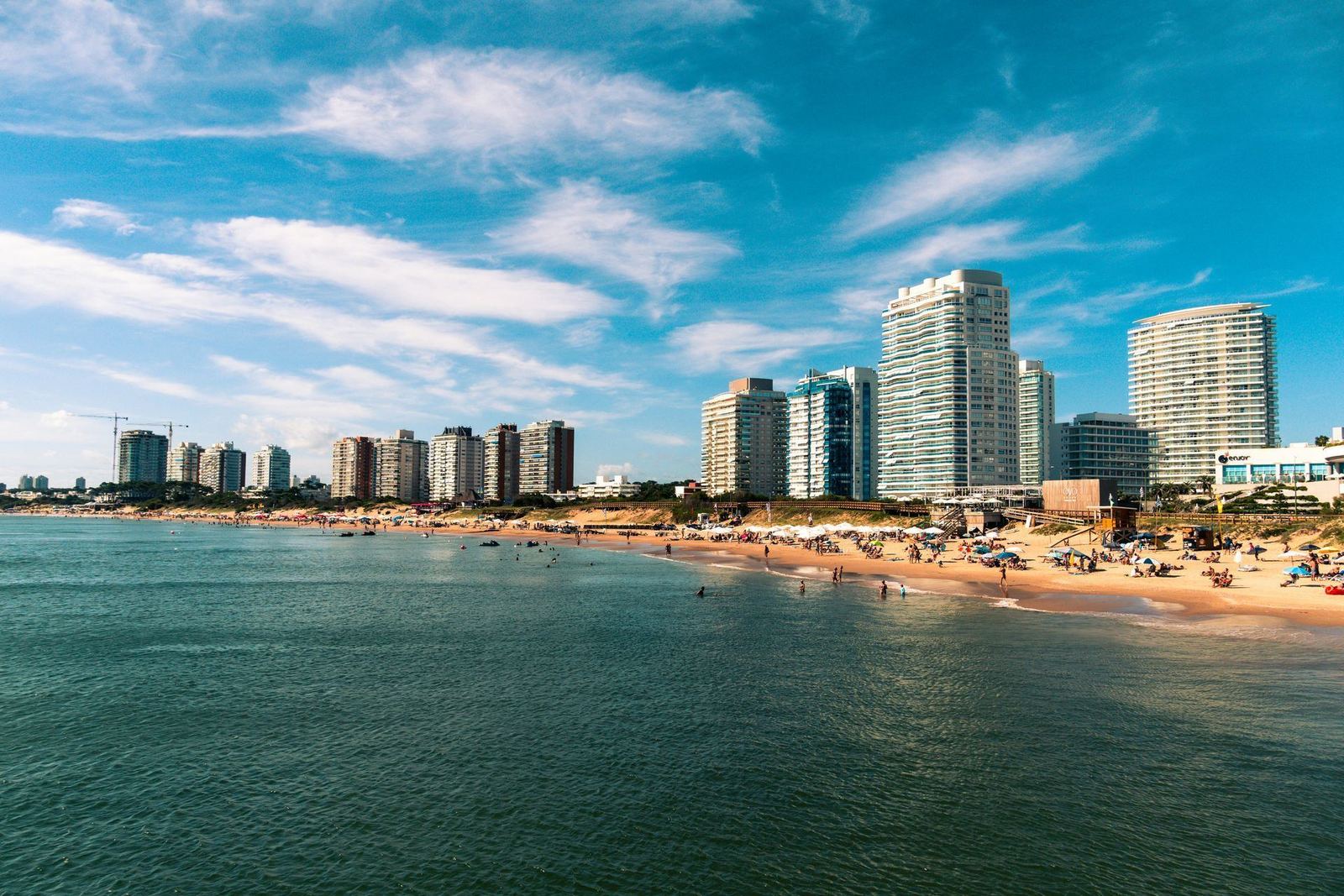
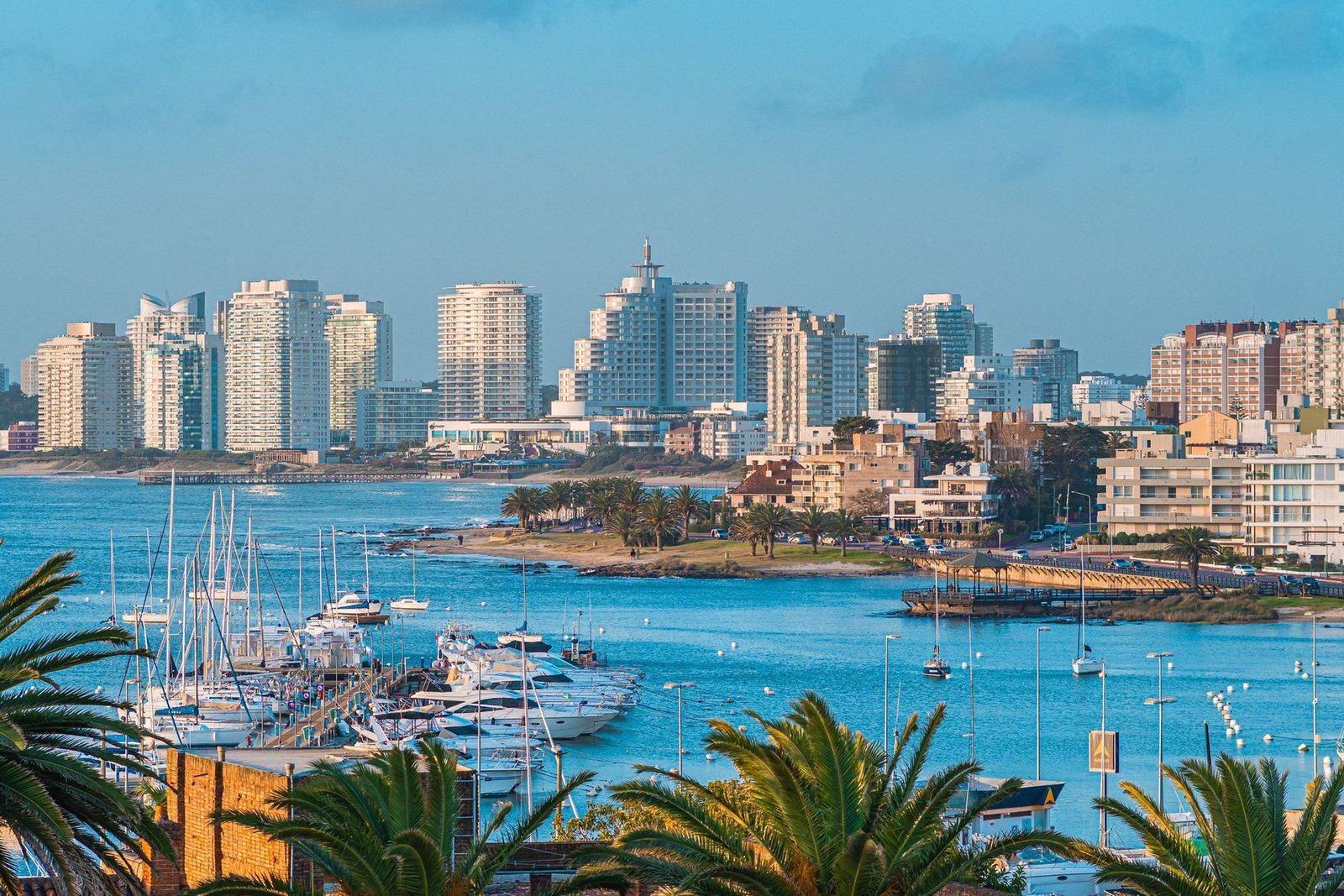
The market isn't growing only on resale demand: in 2026 there are more than 70 active developments, with 5,5 million m² filed in seven years and accumulated investment exceeding USD 12.000 million. That volume of construction — visible in the towers and developments underway — speaks to developers' confidence in the destination, and opens the door to off-plan buying strategies with launch prices.
Seasonal, year-round or mixed rental: what to expect from each strategy
Actual yield varies a lot by property (area, building, condition, type), so understanding the profile of each strategy is more useful than a theoretical percentage. And there's a rule of thumb that puts the numbers in order: in most cases, January's rent covers the property's expenses for the year. Whatever the rest of the year yields comes on top of that base.
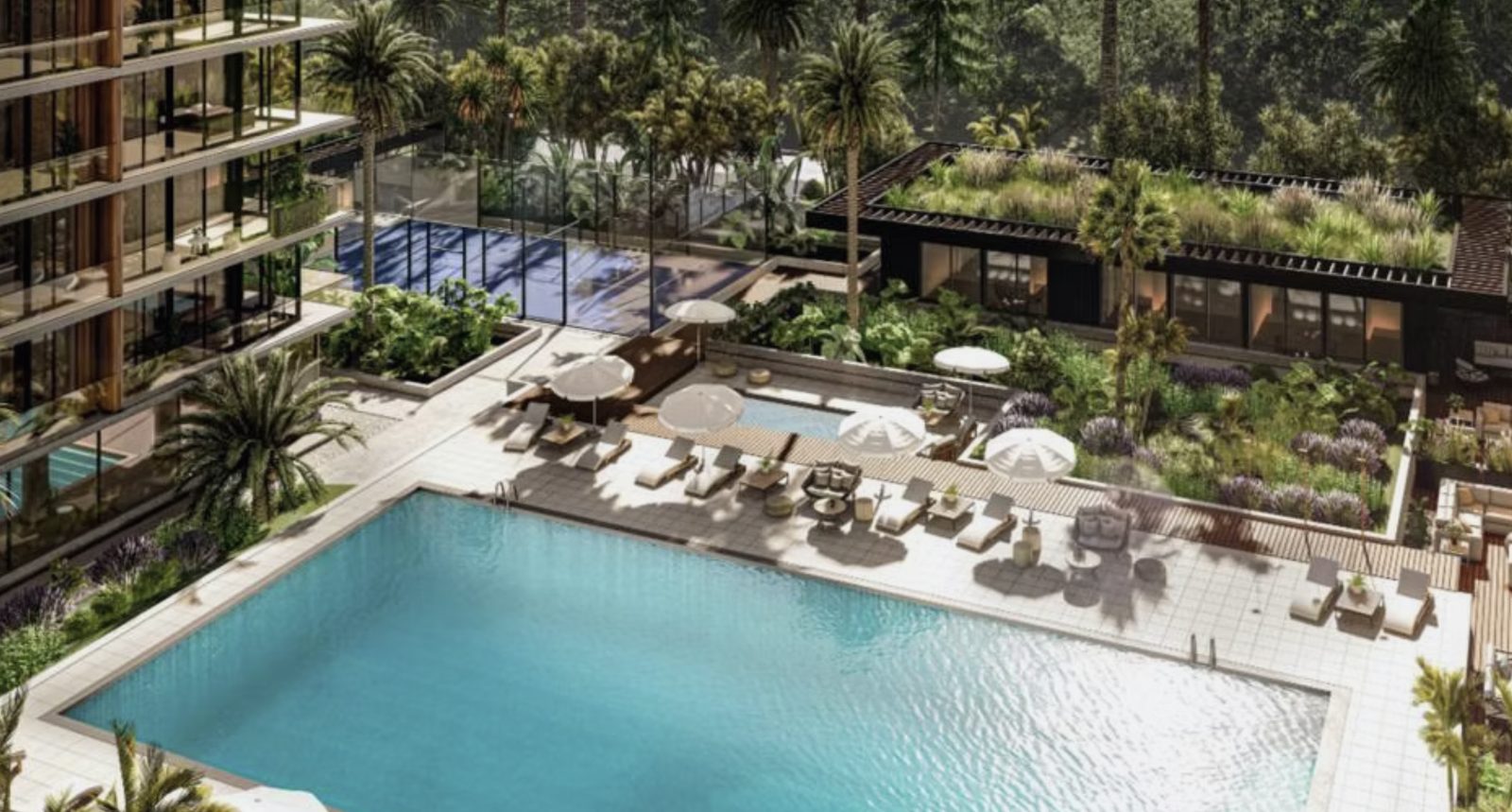
- Seasonal rental. Income concentrated in the summer, with occupancy of 45% to 50% of the year. To size it up, using the average of published prices for summer 2027: the first half of January for a 1-bedroom apartment goes for USD 3.700 in Punta del Este, 5.800 in Punta Ballena and 6.250 in Manantiales; a 2-bedroom one, 7.800 in Punta del Este, 8.500 in Punta Ballena, 13.300 in La Barra and 14.500 in Manantiales; a 3-bedroom one, between 13.000 and 22.000 depending on the area. A 3-bedroom house ranges from 6.850 in Punta Ballena to 20.500 in José Ignacio. The second half of January is listed 25% to 40% cheaper, and February ends up 35% to 50% below the first half of January. These are just averages: many properties fall above and below these figures. The full operation is covered in the guide to seasonal rental for owners.
- Year-round rental. Steady income all twelve months: less of a peak, much more predictability. Typical leases run 1 to 2 years, with adjustment by UI or UR and the usual guarantees of the Uruguayan market.
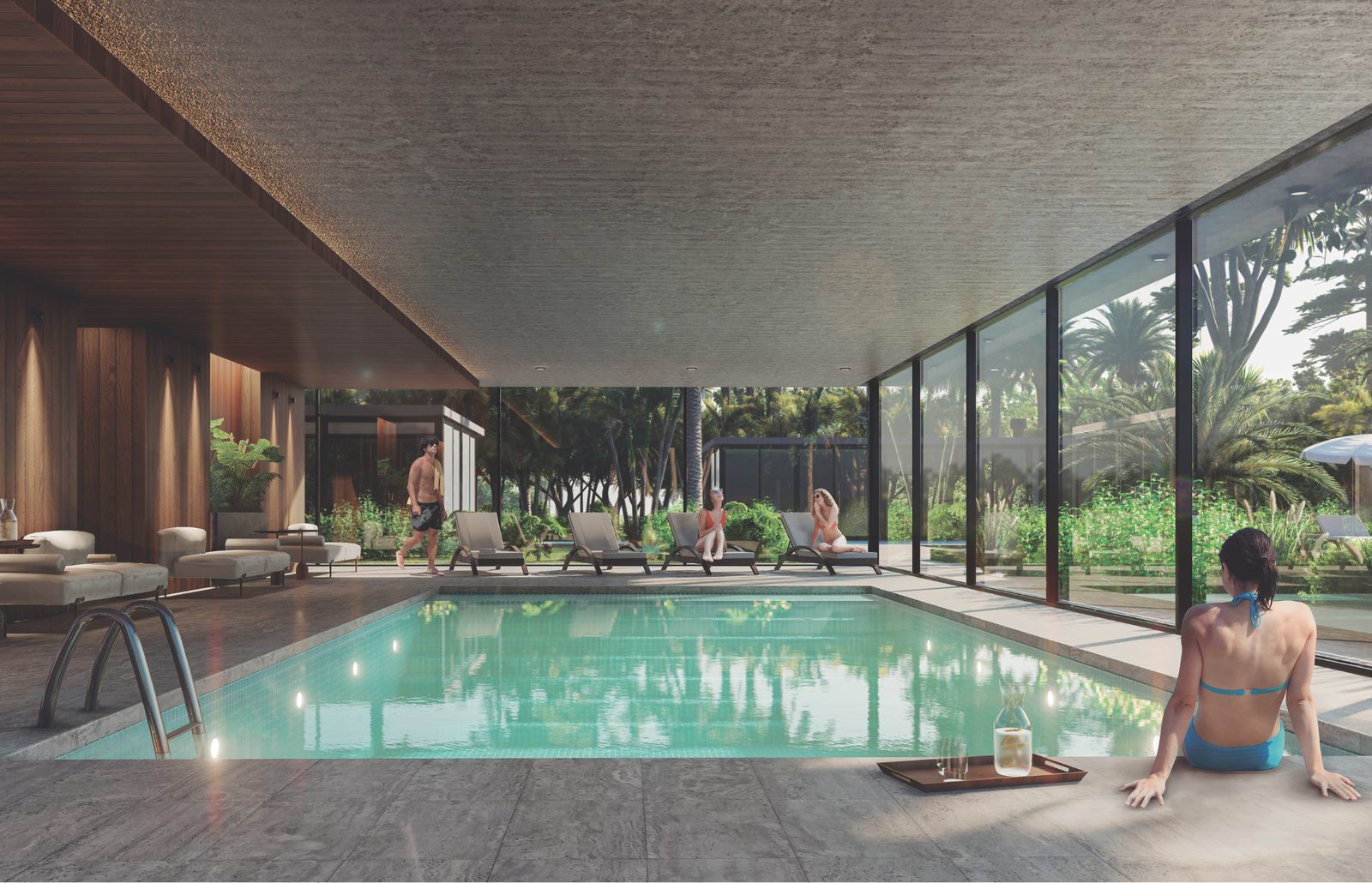
- Mixed strategy. Summer-season rental and winter or year-round rental the rest of the year: the balance most sought by investors who also want to use the property for a few weeks themselves — summer covers the costs and the rest of the year adds to it.
Published price by period, area and property type · summer 2027
Average of listings published on real-estate portals for the 2026-2027 season, in dollars for the full period (Reveillon is the year-end package as each agency publishes it; fortnights are 15 days). Survey from September 2026 based on more than 3.700 listings; cells marked with an asterisk have fewer than 10 listings and are indicative only; s/d: not enough data.
| Zone | Type | New Year's Eve | 1st half of January | 2nd half of January | 1st half of February | 2nd half of February |
|---|---|---|---|---|---|---|
| Península | 1-bed apt | 2.500 | 3.200 | 2.800 | 2.300 | 2.200 |
| 2-bed apt | 3.800 | 4.650 | 3.800 | 3.300 | 3.000 | |
| 3-bed apt | 8.000 | 7.900 | 6.500 | 4.900 | 4.450 | |
| 3-bed house | s/d | 13.000* | 6.000 | 4.900* | 4.500* | |
| Playa Mansa | 1-bed apt | 4.250* | 4.450 | 3.800 | 3.000 | 2.900 |
| 2-bed apt | 6.650 | 8.000 | 6.500 | 4.800 | 4.500 | |
| 3-bed apt | 12.750 | 15.000 | 9.800 | 8.000 | 6.900 | |
| 3-bed house | s/d | 10.000 | 8.100 | 6.000 | 5.000 | |
| Playa Brava | 1-bed apt | 2.800* | 4.100 | 3.600 | 2.900 | 2.600 |
| 2-bed apt | 6.000 | 8.000 | 6.400 | 5.000 | 4.500 | |
| 3-bed apt | 12.350* | 22.300 | 13.000 | 9.500 | 8.000 | |
| 3-bed house | 10.500* | 13.400 | 10.000 | 6.450 | 5.500 | |
| La Barra | 1-bed apt | s/d | 7.200* | 5.000* | 4.000* | 3.950 |
| 2-bed apt | 10.000 | 13.300 | 7.850 | 5.800 | 5.000 | |
| 3-bed apt | 20.000 | 19.750 | 13.000 | 8.800 | 7.000 | |
| 3-bed house | 10.500 | 15.750 | 9.600 | 6.000 | 5.600 | |
| Manantiales | 1-bed apt | 3.200 | 6.250 | 3.600 | 2.950 | 2.500 |
| 2-bed apt | 9.000* | 14.500 | 8.500 | 5.000 | 4.500 | |
| 3-bed apt | 14.500* | 22.000 | 12.000 | 8.000 | 7.500 | |
| 3-bed house | 11.500 | 16.500 | 7.750 | 6.000 | 5.450 | |
| José Ignacio | 1-bed apt | s/d | s/d | s/d | s/d | s/d |
| 2-bed apt | s/d | 15.000* | 8.500* | 6.700* | 7.000* | |
| 3-bed apt | s/d | s/d | s/d | s/d | s/d | |
| 3-bed house | 18.200 | 20.500 | 14.000 | 10.000 | 8.500 | |
| Punta Ballena | 1-bed apt | 4.950 | 5.800 | 4.500 | 4.000 | 3.800 |
| 2-bed apt | 6.500 | 8.500 | 6.000 | 5.300 | 4.700 | |
| 3-bed apt | 13.000* | 13.000 | 9.300 | 7.850 | 7.500 | |
| 3-bed house | 11.550* | 6.850 | 5.550 | 4.600 | 4.000 |
Note: these values are only averages. Many properties fall above and below these figures, depending on the exact location, the building, the size, the view and the condition.
THREE RENTAL-INCOME STRATEGIES · REF. JULY 2026
Income concentrated in summer
Steady income all twelve months
- Contracts from 1 to 2 years with adjustment
- Contracts of 1–2 years, UI or UR adjustment
The balance of both
- Summer season + year-round or winter rental the rest of the year
- Lets you use the property for a few weeks
Actual yield varies by area, building and type. Reference values as of July 2026.
We'll put together the real numbers for you (expected rental income, costs and purchase price) on properties available today, no obligation.
Appreciation, the quiet component of returns
On top of rental income comes capital appreciation. The clearest case in the latest cycle is La Barra: between 2022 and 2025 values rose between 10% and 15%, driven by dining, year-round activity and new construction. With a general market average of around USD 3.200 per m², there are still areas with room to grow, especially where infrastructure is growing faster than prices.
Note: these values are only averages. Many properties fall above and below these figures, depending on the exact area, the building, the size, the view and the condition.
To capture appreciation from the start, buying off-plan is the natural tool: a launch price below the finished unit, staggered payments during construction, and, generally, direct developer financing, interest-free and in dollars. Subsidized-housing projects also add significant tax exemptions.

How much it costs to get in and maintain the investment
To make a fair comparison against other markets, it helps to have the total cost on the table. Reference values as of July 2026:
- Entry cost: add 7% to 9% on top of the price: notary fees (2% to 3% of the price), ITP (property transfer tax) of 2% on the cadastral value —usually well below the price—, real estate commission of 3,28% + VAT, and certificates for USD 300 to 800.
- Holding cost: property tax and the primary-school tax on the cadastral value, plus building fees (HOA) that, depending on the building and services, range from USD 300 to USD 2.000 per month. The details are in the guide to the costs of owning a property.
- Income tax: non-residents pay IRNR of 10,5% on gross rent, a final payment with no deductions; residents pay IRPF of 12% on taxable income.
One more fact for buyers in the premium segment: purchasing property can also be the gateway to tax residency in Uruguay, with long-term tax benefits.

Frequently asked questions
Does the rent cover the property's expenses?
In most cases, yes: the practical rule of the market is that January's rent covers the year's expenses (building fees, property tax, the primary-school tax and maintenance). Whatever is rented out for the rest of the season and the year runs above that base. The specific return varies by area, building and unit type, which is why it's worth analyzing each unit with concrete numbers.
Can foreigners invest in Punta del Este?
Yes, with no restrictions: the foreign buyer has the same rights as a Uruguayan, is not required to have residency, and can buy in a personal name or through a company. The market operates in dollars, and the deed goes through a notary public with a title search covering around 30 years.
How much does it cost to get into the investment besides the price?
As a reference, the buyer adds 7% to 9% extra on top of the price: notary fees of 2% to 3% of the price, ITP of 2% calculated on the cadastral value (usually well below the price), real-estate commission of 3,28% plus VAT and certificates of USD 300 to 800.
What rental strategy is best to start with?
It depends on the goal. Seasonal rental maximizes income but concentrates the work in summer; year-round rental gives predictability; a mixed approach balances both and lets you use the property part of the year. It's best to define the goal first and then choose the zone and unit accordingly.
Sources
Market values as of July 2026. If you have a budget in mind and still don't know where to put it, write to us: the first conversation is to understand what you're looking for, not to sell you anything.