Buying a property in Uruguay is simpler than most people imagine: a foreigner buys with exactly the same rights as a Uruguayan, with no need for residency or special permits, and the total cost to the buyer runs between 7% and 9% on top of the price (reference values as of July 2026). The transaction is done in dollars, before a notary public, and from the reservation agreement to the deed usually takes between 30 and 60 days. With a focus on Punta del Este: who can buy, how much each item costs, and how the process is organized.

Who can buy a property in Uruguay
Anyone, whether Uruguayan or foreign. Uruguay places no restrictions on non-residents buying property: no legal or tax residency is required, there are no off-limits zones, and property is registered with the same title guarantees for everyone. You can buy in your own name or through a company, depending on what suits each case.
That framework largely explains the composition of the Punta del Este market: the Uruguayan buyer, who today sustains much of the activity year-round, coexists with the Argentine buyer, still very present in the high-end segment and the season, and with Brazilians and Europeans, increasingly visible in new developments. If your interest goes beyond a one-off purchase (moving here, settling your family), also read our guide to living in Punta del Este and the article on tax residency in Uruguay: these are separate procedures, independent of the purchase, and it's worth understanding them on their own.
How much it costs to buy: the buyer's expenses, one by one
The rule of thumb is to budget the property's price plus an additional 7% to 9%. That percentage is made up of four items:
ITP: 2% of the cadastral value
The Property Transfer Tax (ITP) is paid by both parties: 2% by the buyer and 2% by the seller. The key detail is that it's calculated on the updated cadastral value, not on the sale price, and the cadastral value is usually much lower. A reference example: on a purchase of USD 150.000 with a cadastral value of USD 90.000, the buyer's ITP is USD 1.800.
Notary: 2% to 3% of the price
In Uruguay, every deed goes through a notary public, chosen and paid for by the buyer. The reference fee ranges from 2% to 3% of the price, depending on the notary and the complexity of the transaction. It includes a title search going back about 30 years, the certificates, the deed itself, and its registration. This is the figure who guarantees that you're buying a property free of issues.
Real estate commission: 3,28% + VAT
The agency's commission is 3,28% plus VAT, paid by each party. It includes much more than intermediation: search and shortlisting, real comparables from the area, negotiation and support throughout the whole transaction up to the handover of keys.
Certificates, stamps and registrations
Between registry certificates, stamp duties and registration fees, budget between USD 300 and 800 depending on the transaction.
Floor plans and finishes: only if you buy off-plan
This item doesn't exist in a resale, but it does in new construction, and it's the one that comes as the biggest surprise: developments charge separately for blueprint costs and the furnishing of common areas. Depending on the project, this runs from 3% to 6% of the purchase price, paid in installments during construction. In practice, it's the most common difference between a project's list price and what the unit ends up costing. When we show you a development from our portfolio, we tell you what's included in the price and what's charged separately, so the numbers add up from day one.
Purchase costs · What each item includes · Ref. July 2026
ITP — 2%
It is calculated on the cadastral value, which is usually well below the purchase price.
Notary fees — 2% to 3%
Title search covering ~30 years, certificates, deed and registration.
Real estate commission — 3,28% + VAT
Search, real comparables, negotiation and support all the way to key handover.
Certificates and stamps — USD 300–800
Registry certificates, stamps and registration fees, depending on the transaction.
The ITP is calculated on the cadastral value, not on the price. For new construction, add plans and furnishing fees: 3% to 6% depending on the development.
On the other side of the table, the seller faces roughly 5,7% between their commission, 2% ITP and certificates. If that's your side of the deal, we cover it on our page for selling your property.
| Category | Rate | It is calculated on | In the example |
|---|---|---|---|
| ITP | 2% | Updated cadastral value (USD 90.000 in the example) | USD 1.800 |
| Notary | 2% a 3% | Sale price | USD 3.000 to 4.500 |
| Real estate commission | 3,28% + VAT | Sale price | USD 4.920 + IVA |
| Certificates, stamps and registrations | — | Fixed, depending on the transaction | USD 300–800 |
| Reference total | 7–9% | About the price | USD 11.100 to 13.100 |
How the buying process works, step by step
The circuit is always the same, with minor variations depending on the transaction:
- Reservation. You found the property and hold it with a deposit. From then on, it's off the market while the terms are negotiated.
- Reservation agreement or purchase commitment. This is the document that sets the price, timelines, payment method and consequences of breach for both parties. It's signed with advice: almost everything is defined here.
- Title search. Your notary reviews the property's legal history going back about 30 years: previous owners, mortgages, liens, encumbrances. Nothing is signed until the property is clear.
- The deed. Signing before a notary, payment of the balance, handover of the keys, and registration. From that moment, the property is yours with full legal guarantees.
Between the reservation agreement and the deed, the typical timeframe runs from 30 to 60 days. The earlier stage (searching, visiting, deciding) depends on each buyer; if it's your first time, the guide to buying your first property in Punta del Este will help, written step by step.
The process · From reservation to closing
Reservation
A deposit that secures the property while the terms are negotiated.
Reservation agreement
Sets the price, timeline and terms in writing.
Title search
The notary reviews ~30 years of the property's history.
Deed
Signing, payment of the balance and handover of keys.
From reservation agreement to deed: 30–60 days (ref.).
We'll put together the full breakdown of your transaction (taxes, notary fees and timelines) before you sign anything.
Where to buy: reference values by area
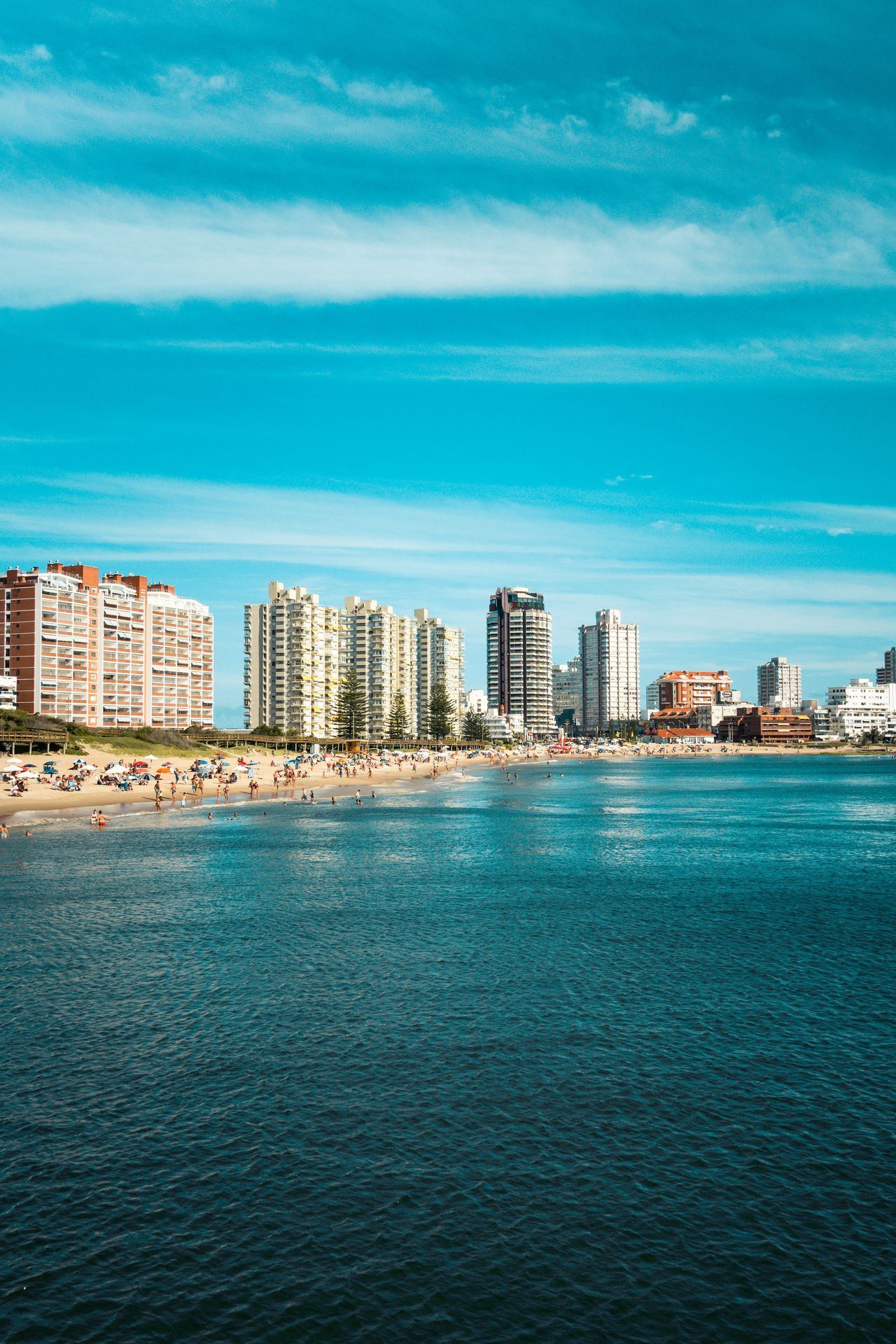
Punta del Este isn't a single market but several. The price per square meter in apartments runs like this: Península between USD 3.500 and 6.000; Playa Brava between USD 4.000 and 7.000; the Avenida Roosevelt corridor, which is a distinct and considerably more affordable market, between USD 2.800 and 4.500; Playa Mansa between USD 3.500 and 6.500; La Barra and Manantiales between USD 4.500 and 9.000; José Ignacio from USD 6.000 up past 10.000 —and there summer rental plays in a different league: there are country estates that rent in January for figures that don't compare to any other area of the country, in the order of USD 200.000 for the month—. In Beverly Hills and the inland neighborhoods, you find that same range of USD 2.800 to 4.500. The overall market average is around USD 3.200 per square meter.
You can start comparing by property type in apartments for sale, houses for sale or plots, and then narrow it down by area with your agent.
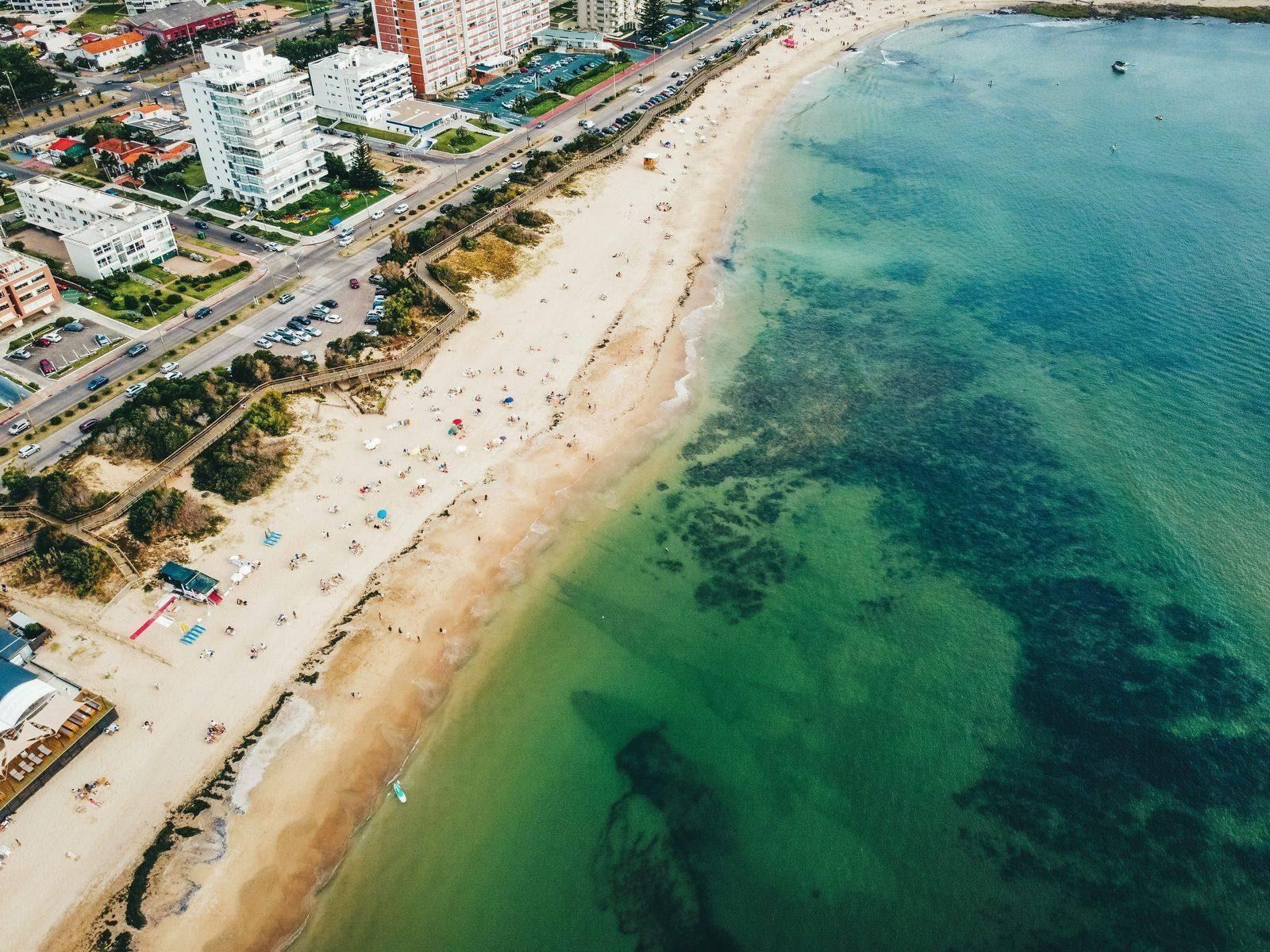
Note: these values are only averages. Many properties fall above and below these figures, depending on the exact area, the building, the size, the view and the condition.
Buying finished or buying off-plan: two valid paths
With more than 70 active developments in 2026, new construction is a central part of the market. Buying off-plan lets you get in at launch price and pay in installments during construction, generally interest-free; we cover it in detail in the guide to buying off-plan in Punta del Este, and you can browse current projects in developments and towers. If your question is about how to pay, the article on payment methods and financing compares the options available.
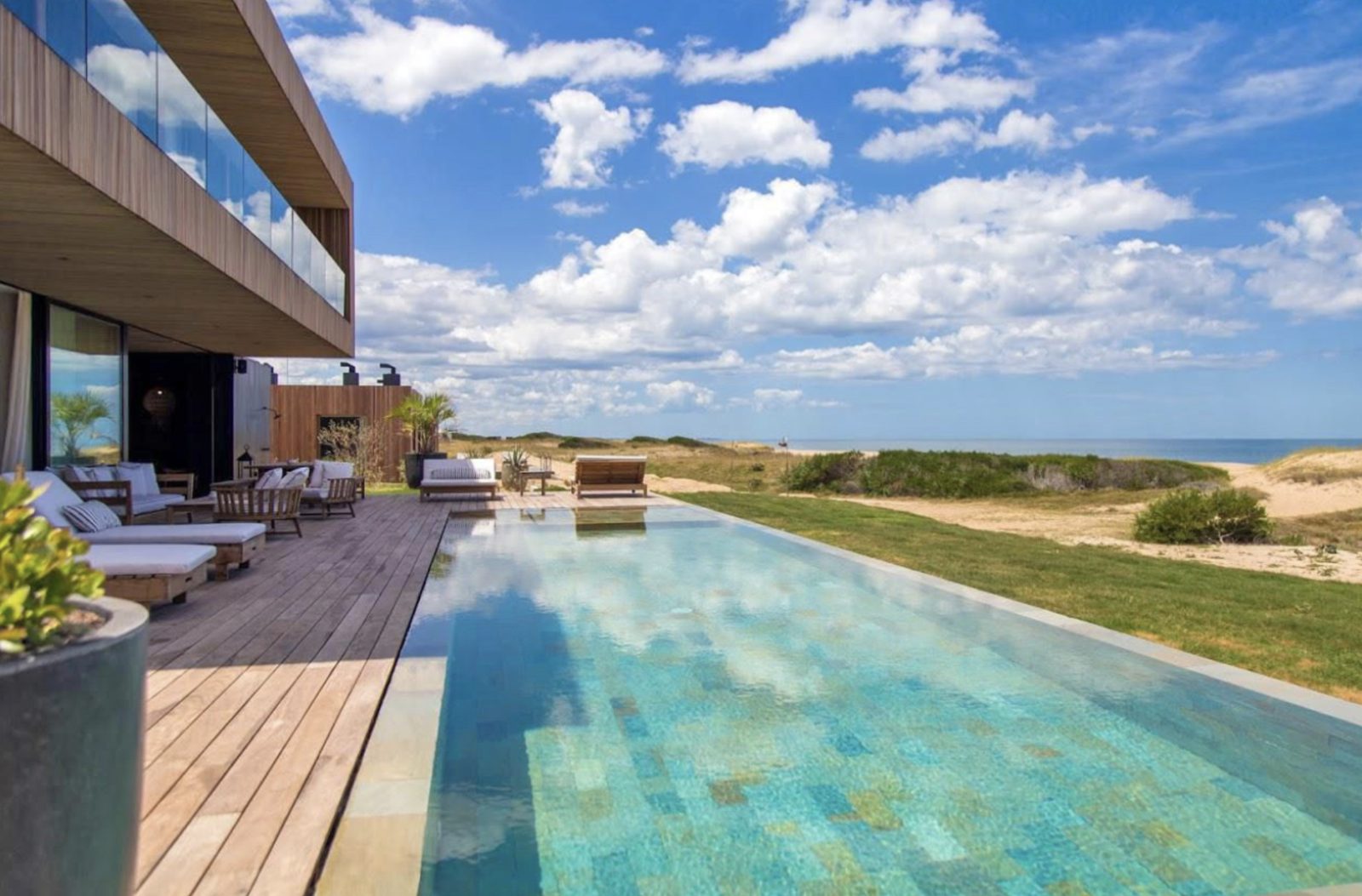
And there's one last option, which makes sense in a specific case: if you're buying to invest or to rent out, not for personal use, there are promoted housing projects (Law 18.795). These are developments with significant tax exemptions and values from USD 2.500 to 4.500 per m², designed for rental income rather than for living in. The ones currently available are under developments, and under investments is the rest of the off-plan portfolio.
After buying: what's worth keeping on your radar
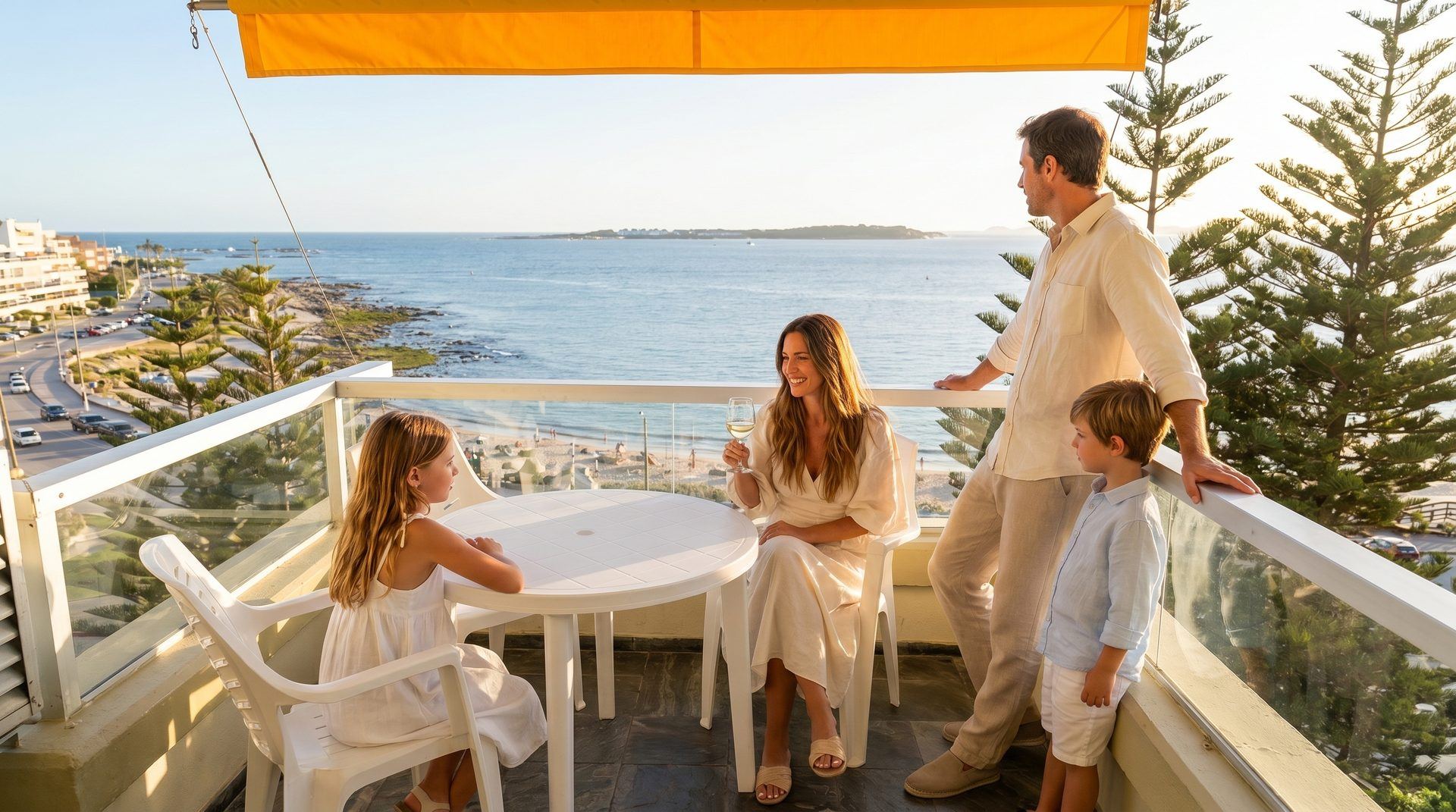
Owning property in Uruguay has limited, predictable annual costs: property tax, the primary-school tax and, in buildings, the building fees. We go over them with reference figures in the article on how much it costs to maintain a property and in the guide to investing in Punta del Este.

Frequently asked questions
Can a foreigner buy a property in Uruguay?
Yes, with the same rights as a Uruguayan. No residency or special permits are required, there are no restricted zones, and you can buy in a personal name or through a company. The transaction is done in dollars, before a notary public, just as for a local buyer.
How much does it cost in total to buy a property in Uruguay?
The buyer adds between 7% and 9% on top of the price: ITP (2% of the cadastral value), notary fees (2% to 3% of the price), real estate commission (3,28% + VAT) and certificates and stamps (USD 300–800). If the purchase is off-plan, you also have to add the plan and furnishing fund costs, which, depending on the development, range from 3% to 6% of the price.
How long does the purchase process take?
Between the reservation agreement and the deed, typically 30 to 60 days go by, taken up by the title search, the certificates and coordinating the signing. The earlier stage of searching and viewing properties depends on each buyer.
What value is the ITP calculated on?
On the property's updated cadastral value, not on the sale price; the cadastral value tends to be quite a bit lower. For example, in a purchase of USD 150.000 with a cadastral value of USD 90.000, the buyer's ITP (2%) comes to USD 1.800.
Sources
- ITP: rates and calculation basis on the real value set by Catastro · DGI
- Notary fees and real estate commission · Cámara Inmobiliaria Uruguaya
- Argentine participation in Uruguayan real estate investment · El País
Costs and terms current as of July 2026, and they shift. If you want us to check them against your specific deal, write to us: in twenty minutes you'll know what you'll pay and when.