The history of Punta del Este has an official birth date: July 5, 1907, when law 3.186 declared the handful of houses gathered around the lighthouse a town (a year earlier, the hamlet had 492 residents and 111 buildings) and fixed forever the name the world knows today. Until then it was known as Villa Ituzaingó, a name that never became official. But the peninsula had been writing its history long before that: whalers and fishermen in the bay of Maldonado, a lighthouse lit in 1860 and a family that came from Ibiza to look after it. From that fishing village came the capital of the east.
Walking through that history explains why the city —and its real estate— is worth what it is. And if what intrigues you is where each place name came from, we have a separate guide on the origin of the resort town names. Let's take it step by step.
The origins: a lighthouse, fishermen and whalers
Long before the hotels, the point was a geographic feature that sailors respected: the exact place where the Río de la Plata becomes the Atlantic Ocean. Juan Díaz de Solís passed through these waters in 1516, and from the late 18th century the bay of Maldonado saw activity from whalers and fishermen. In 1829, the merchant Francisco Aguilar set up a saladero (salting plant) and dreamed of founding a town here with the name of a battle: Ituzaingó. The project never took off (in 1843 the peninsula was sold to the Lafone brothers), but the name lingered for almost eighty years.
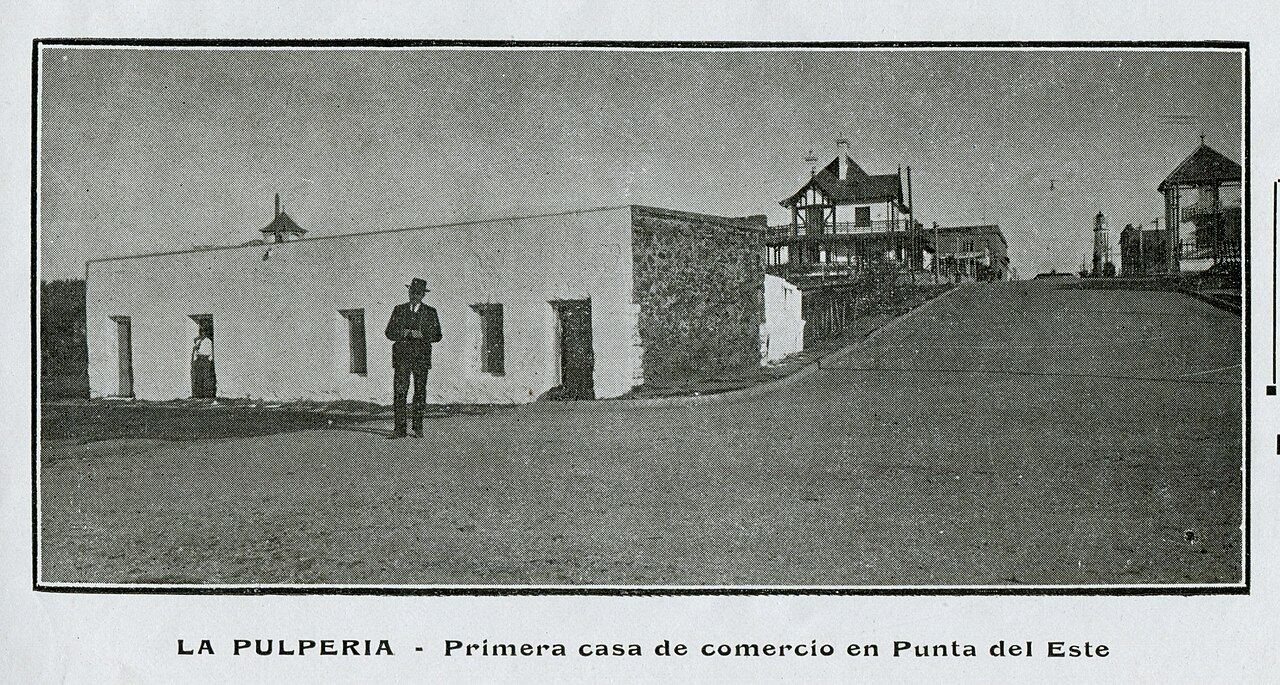
The first urban landmark arrived in 1860: the lighthouse, a 45-meter tower built by contractor Tomás Libarena that still frames the Península's postcard image today. Around the lighthouse the village grew: fishermen, lighthouse keepers, a general store. And among the founding families, the Serras: Juan Serra y Bufí, a man from Ibiza who was head lighthouse keeper between 1902 and 1918 and one of the main forces behind the town's official founding. His son Francisco succeeded him in the role.
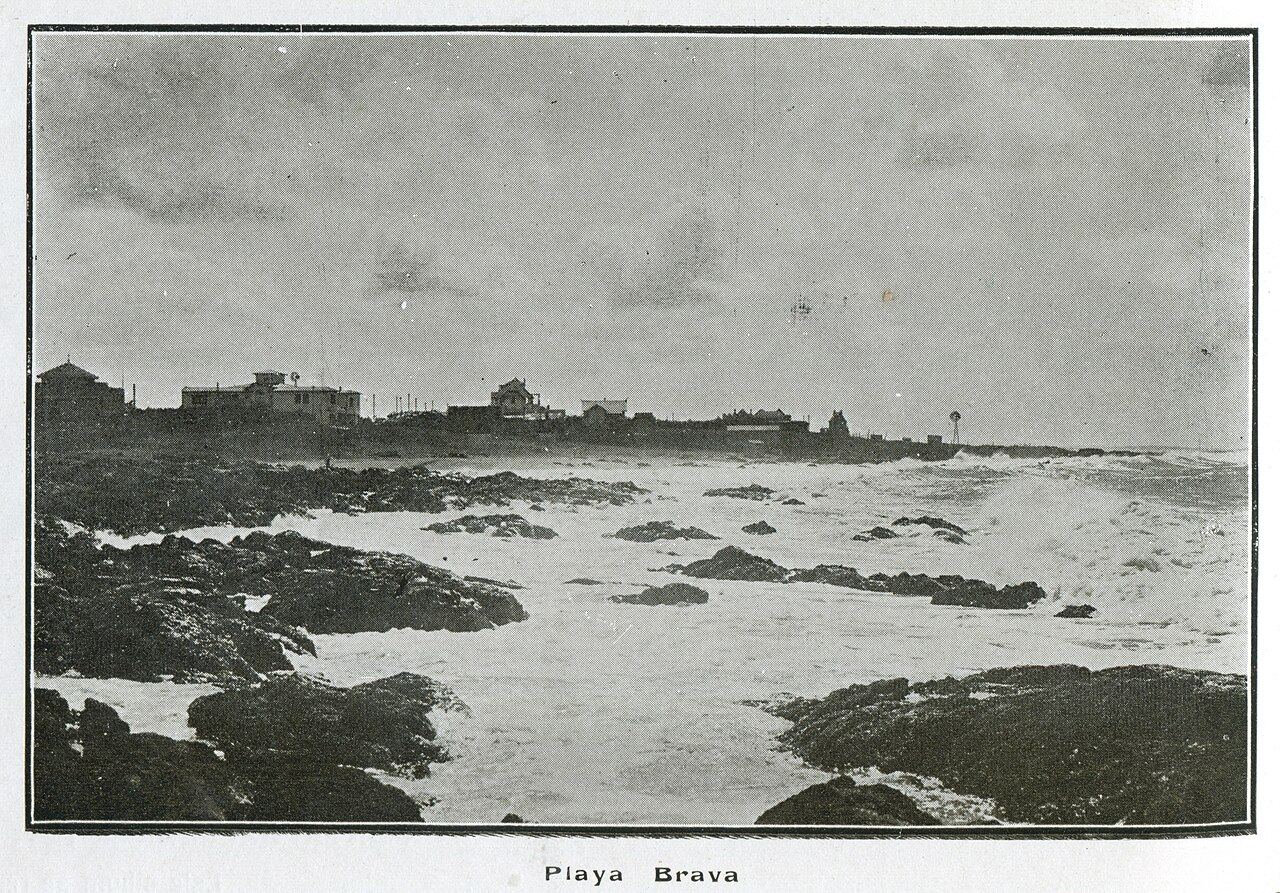
1907: the town that dreamed of being Ituzaingó and was born as Punta del Este
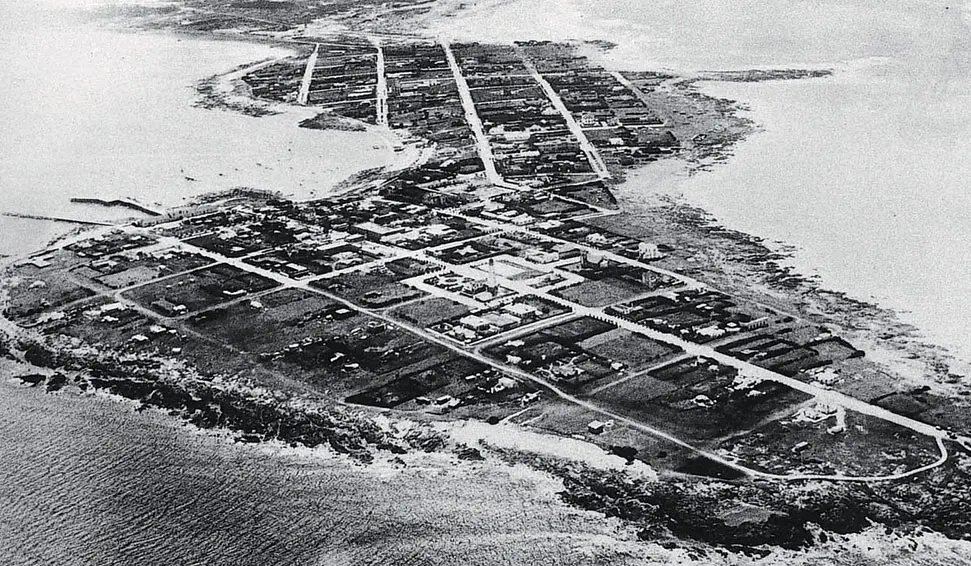
Around 1906, local residents organized the petition: Serra from the lighthouse, Antonio Mrak from the maritime signal station, Bartolomé Ferragut from the telegraph office and Pedro Risso from the first hotel (which had opened around 1888) formed the committee that asked the government for official recognition. The answer came on 5 July 1907: law 3.186 created the town and settled the naming question in favor of the geographic feature. The law, in fact, arrived after the tourists: on 2 February of that same year, the first group of summer visitors had already landed aboard the steamship Golondrina.
The grid of numbered streets that laid out the Península in those years remains intact: walking it means walking the founding plan. Calle 4, the town's backbone, would wait until 1918 to receive the name everyone uses today: avenida Gorlero.
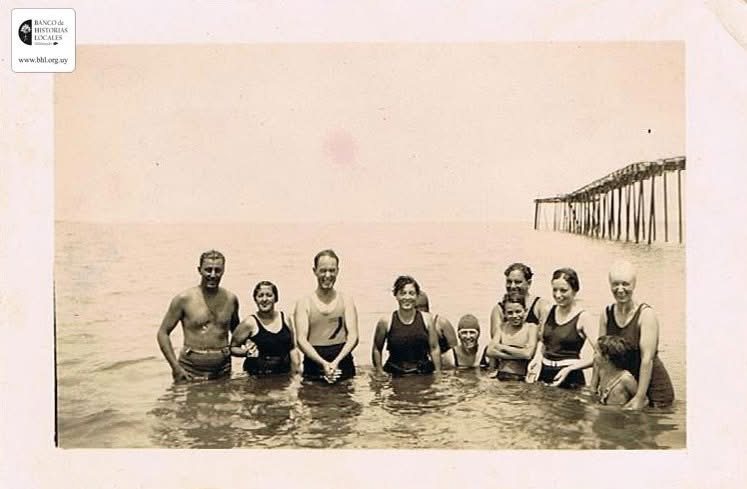
Gorlero, Burnett and the pioneers who invented the resort town
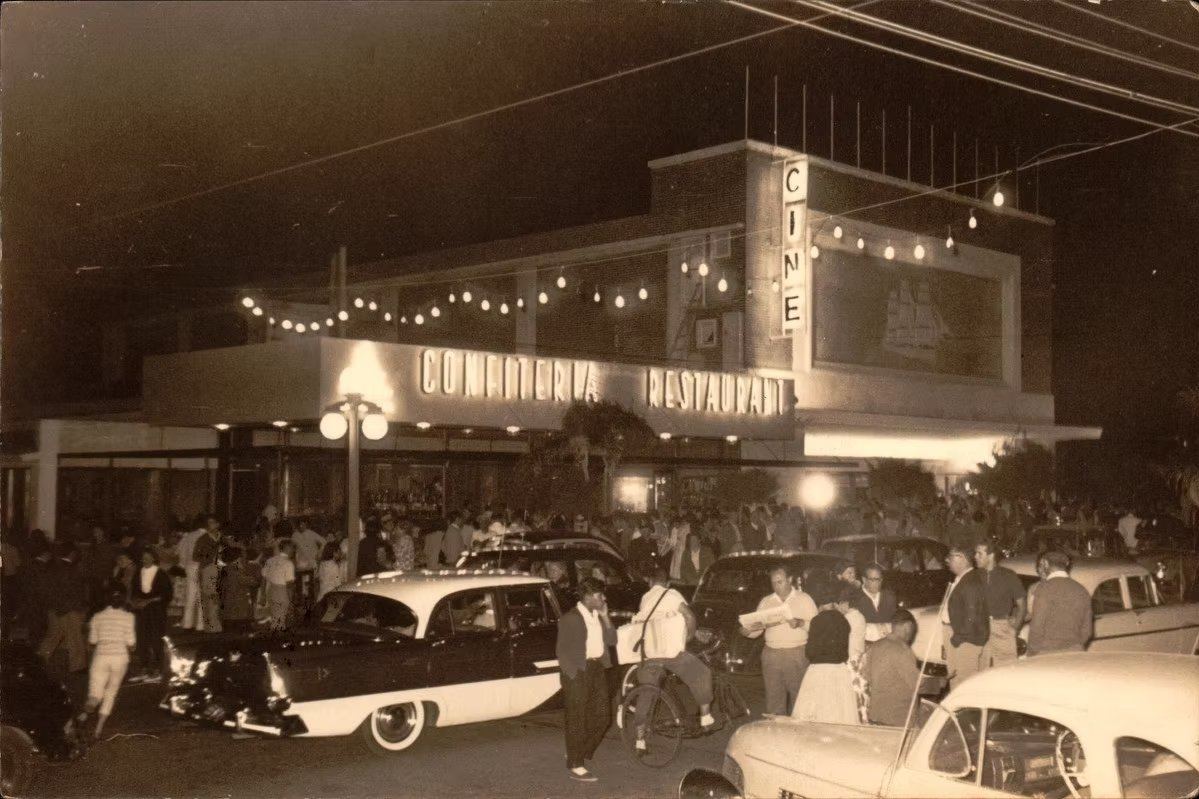
If the lighthouse was the town's first building, Juan Gorlero (1849-1915) was its first visionary. The family history already carried the mark of the sea: his father Doménico, a Genoese sailor, had arrived on these shores after a shipwreck, married a criolla from Maldonado, and stayed for good. Juan, manager of the Banco República in Maldonado from 1897, understood before anyone else that this strip of sand could become a resort of international scale, and together with partners drove the venture (remembered as «La Bola de Nieve») that financed the infrastructure and the great hotel of the early days.
As Maldonado's first mayor, from 1909, he left behind works still in use today: the road between Maldonado and Punta del Este (its route still followed by the Rambla de la Mansa), the reforestation of Isla Gorriti together with Antonio Lussich, and even the first wooden houses imported from Norway. The avenue that has carried his name since 1918 is the city's tribute; local language did the rest: «gorlerear» remains, a century on, the local verb for strolling the avenue unhurried.
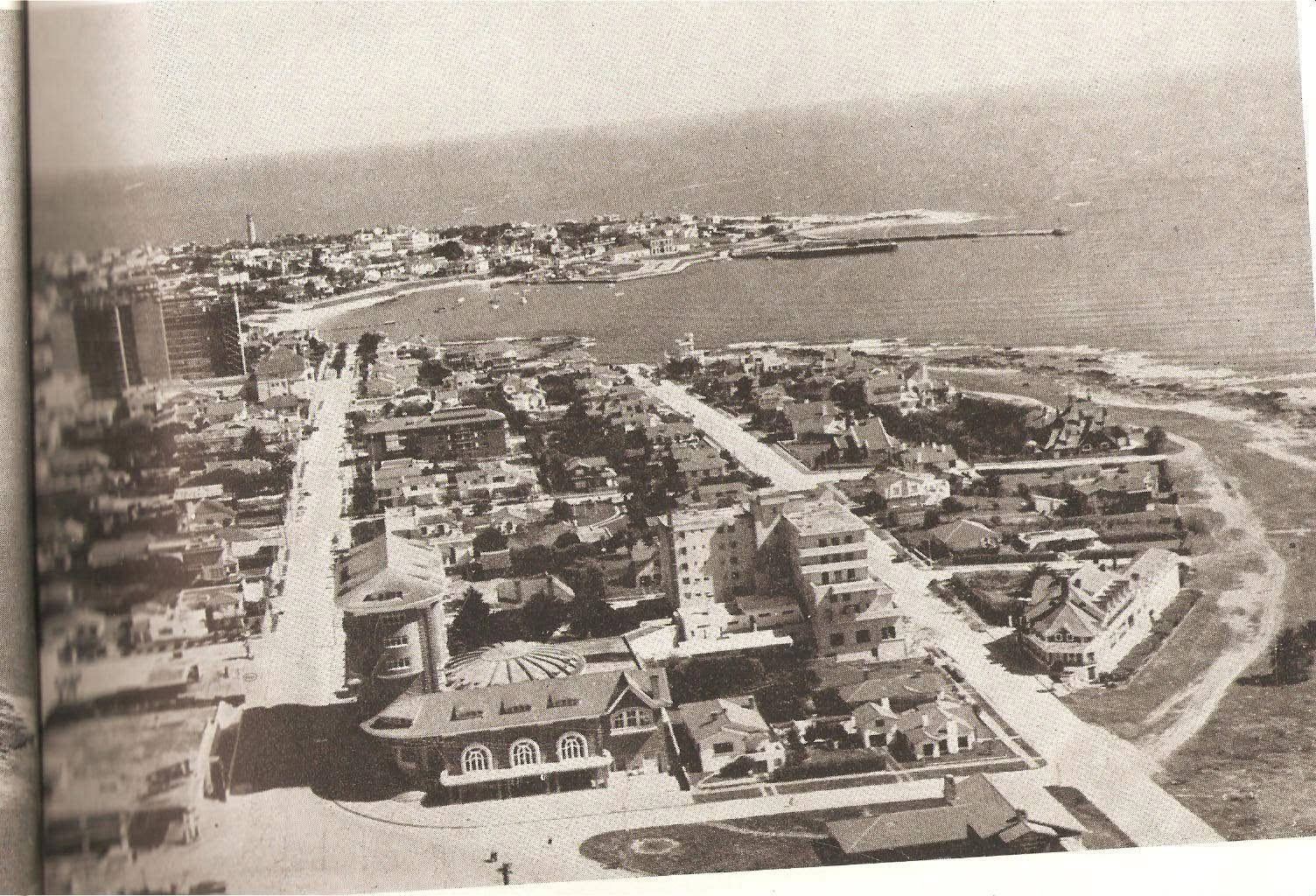
The other pioneer was an Englishman: Henry Burnett, British consul in Maldonado, who planted some 80.000 pines over 190 hectares of dunes. Today's green, tree-lined Punta — the one seen from the air between the towers — grew out of that forestation, continued by Antonio Lussich on the other side of the bay, in Punta Ballena. In 1940, residents institutionalized that push by founding the Liga de Fomento, which still looks after the town today.
The second wave of pioneers was led by an immigrant who arrived from Jerusalem: Pascual Gattás (1879-1964), a carpenter when he landed, a Ford dealer in the 20s, and eventually a developer. Between 1934 and 1936 he transformed 40 hectares of scrubland into Pine Beach, the first neighborhood outside the peninsula, laid out as a garden city; in the following decade he drove the development of the Golf park neighborhood, the seed of the residential town that keeps growing today in areas like El Golf. The expansion would never stop again.
The grand hotels and the casino: the era Punta went international
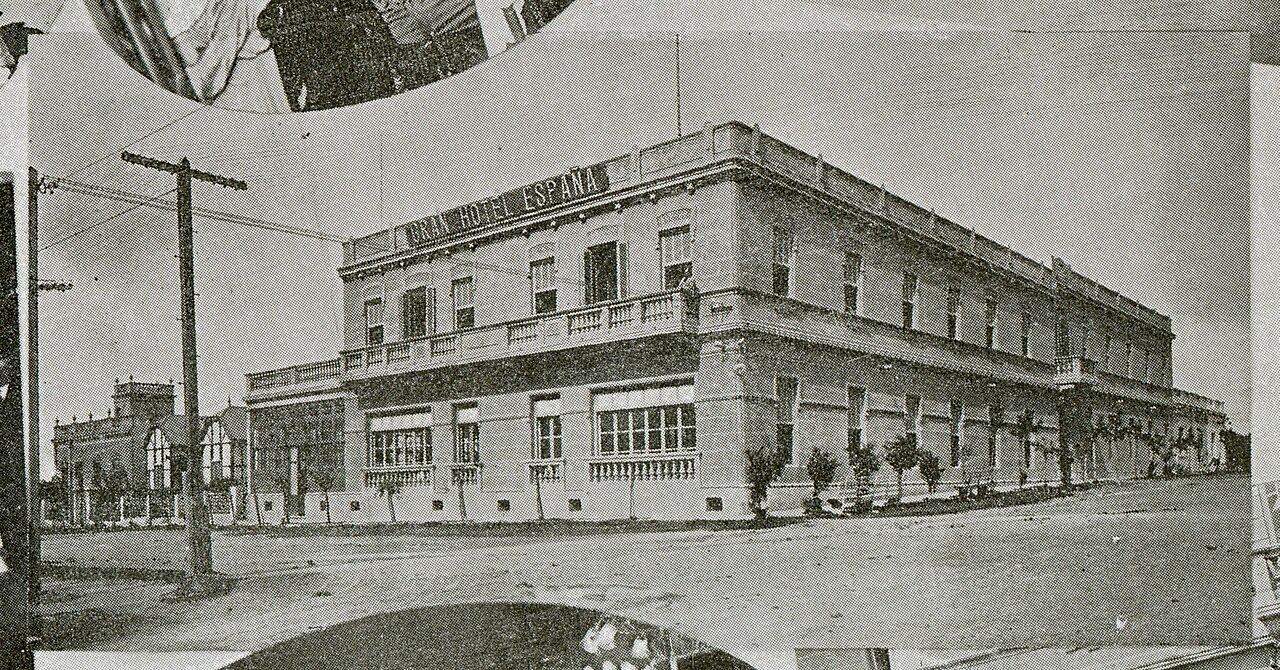
Hotels drove the leap from village to beach resort. The first grand one was the Biarritz, opened around 1908 facing la Mansa: over a hundred bedrooms, its own electric lighting, running water brought from the La Pastora spring, and furniture imported from Europe — a «magnum opus» for its time. It was followed by the British House (where Madame Pitot trained the local population in cooking and hospitality trades) and the Gran Hotel España, in 1911.
Two arrivals changed the scale. The first, the train: the eastern line reached Maldonado in 1910, and on January 1, 1930, the railway finally reached Punta del Este: a four-hour trip from Montevideo and, from the 40s on, a California-style station. The service brought the capital closer to the beach for more than half a century, until the last trip, on November 28, 1982; the bus terminal now operates where the station used to be. The second, gambling and grand seasonal hotels: in 1938 the casino hotel that would later become the Nogaró opened on Gorlero (the peninsula's first high-rise building); around those years the Playa Hotel opened between the two beaches; and in 1948 the most iconic of them all opened facing the Brava, the Hotel Casino San Rafael (we tell its full story in the feature dedicated to the San Rafael). Even the chivito is a child of this era: it was born at El Mejillón Bar, which opened in 1944.
The Cantegril and the festival that put Punta on the world map
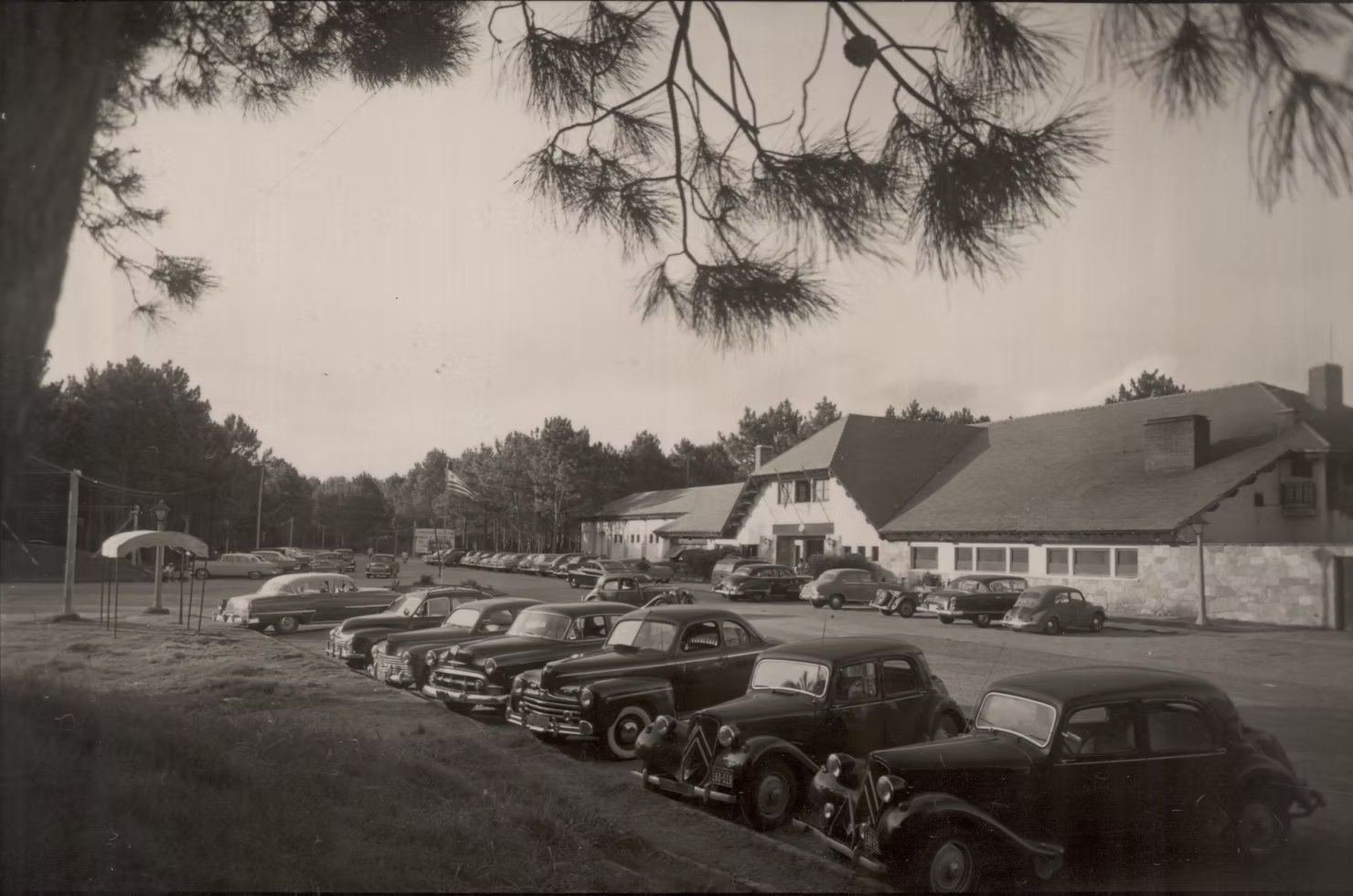
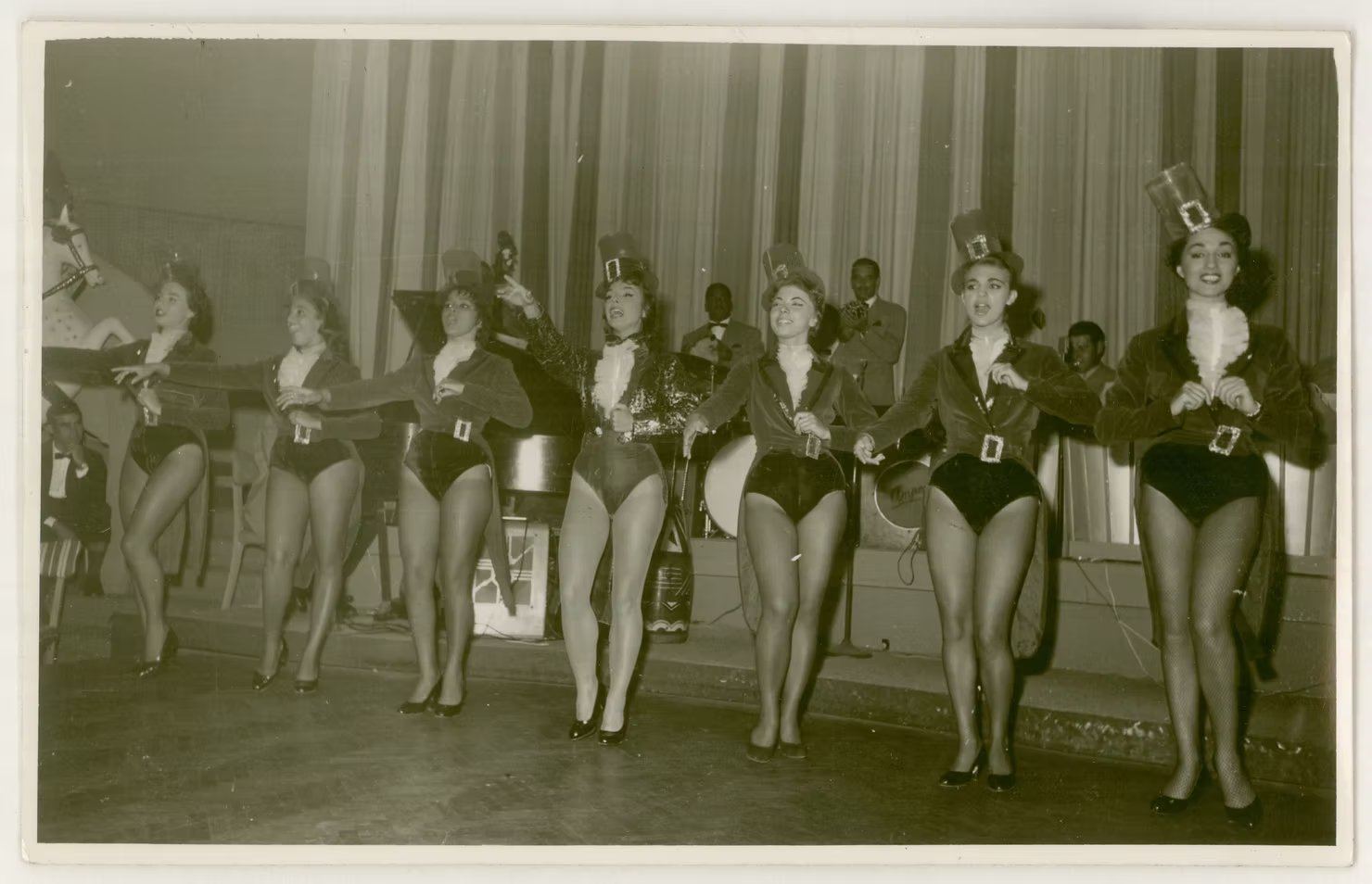
In 1943, a businessman named Mauricio Litman chose Punta del Este for his honeymoon. The visit changed his life and the resort's: on 2 February 1947 he founded the Cantegril Country Club, and in January 1951 he organized there the first international film festival in Latin America. Stars such as Joan Fontaine and Lana Turner walked its red carpet, and the festival returned the following year: Punta del Este was already a continental brand. Decades later, the Cantegril's courts would add their own mythology with tennis tournaments that brought in legends like Björn Borg, Guillermo Vilas and John McEnroe.
The international profile also had its diplomatic chapter: in 1961 the Nogaró hosted the inter-American conference that brought together delegations from across the continent, Ernesto "Che" Guevara included. The resort town was already a stage for major history.
Península, Mansa, Brava: each area holds a layer of this history. With more than 20 years in the Punta del Este market, we'll help you find yours.
The seventies boom raised the vertical city
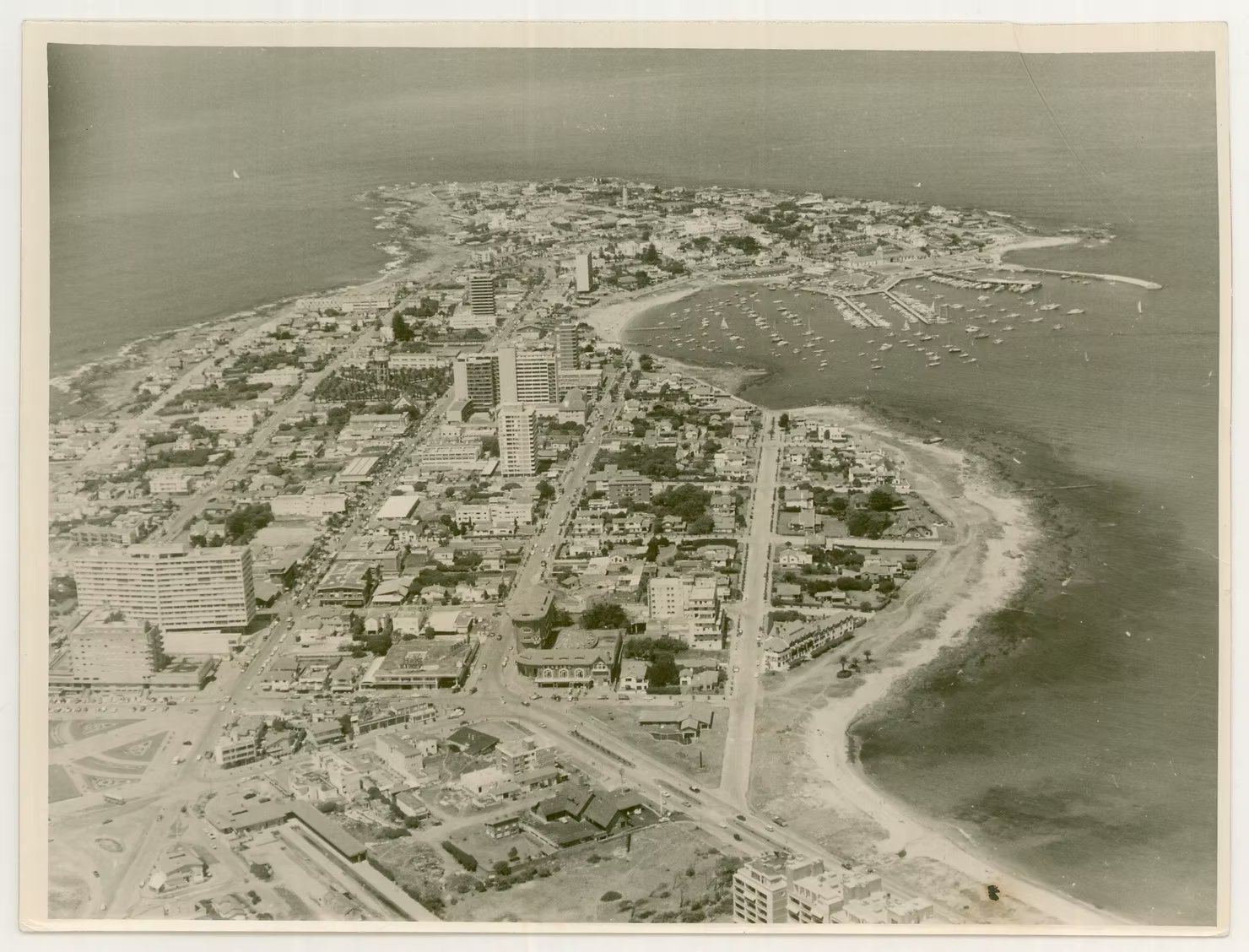
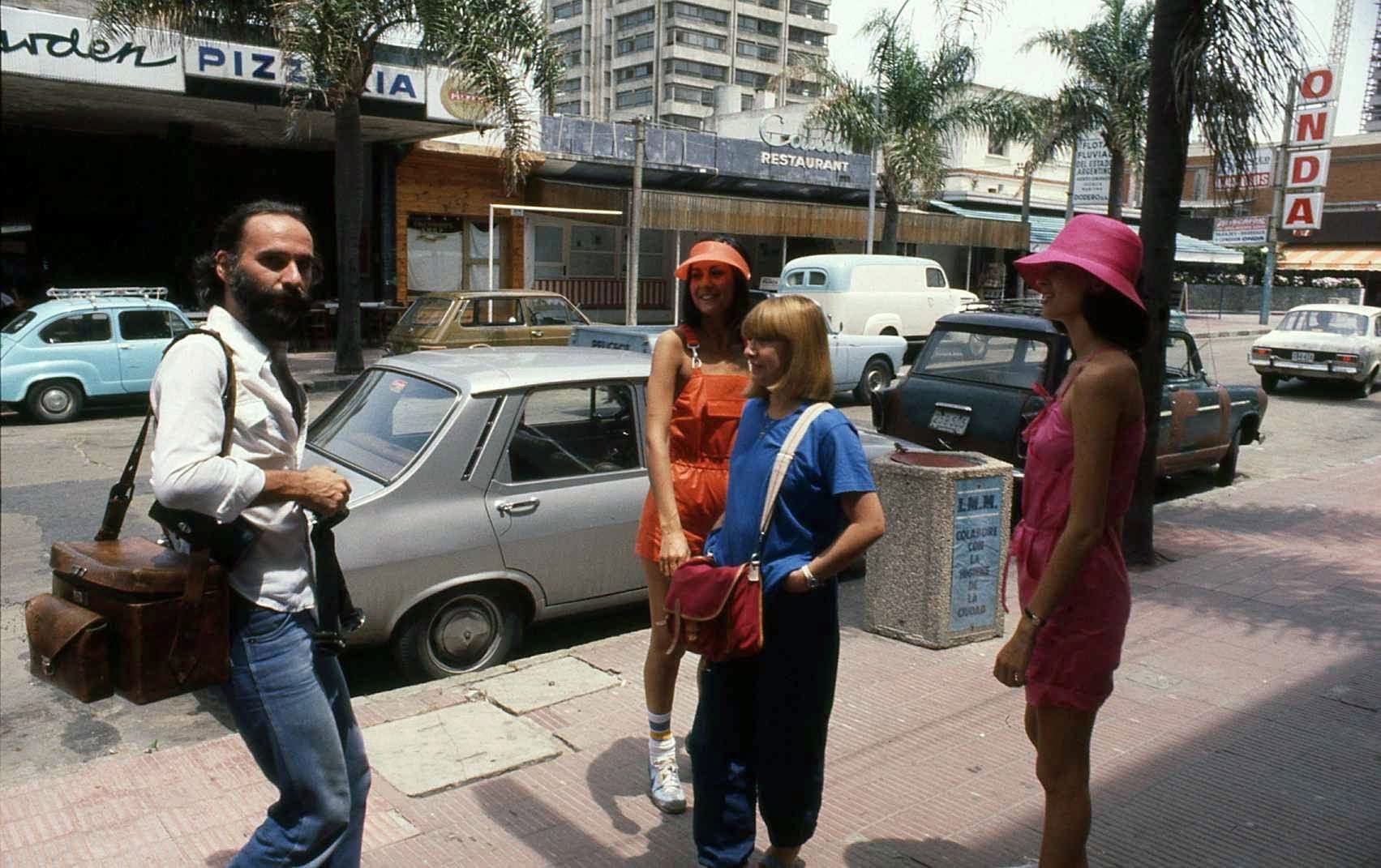
The vertical city had two precursors. The first was discreet: El Pinar, one block from Gorlero, the country's first horizontal-property building, built in 1949 by Walter Pintos Risso (who graduated as an architect in 1934, a figure of the "old Punta style" of tiled roofs and a casual air, whose work was declared historic in 2004). The second was vertical: the Vanguardia building, the first tower, raised in 1958 facing the Mansa by Litman himself, the same year Carlos Páez Vilaró began shaping Casapueblo on Punta Ballena. But it was between 1974 and 1980 that Punta del Este experienced its first great construction boom. Argentine capital crossed the river en masse and the chalet resort changed its silhouette: apartment towers facing the Brava and the Mansa, today classics of the skyline; three firms (SAFEMA, Pintos Risso and Estudio 5) accounted for about 60% of what was built, with classics of that era such as the Tunquelen (1975). From that period also comes the urban layout buyers see today: heights of up to 54 meters on the peninsula, a low profile over the Mansa, and the Roosevelt axis cleared to grow. In 1979 the beltway boardwalk (rambla) opened, the coastal balcony that today runs the length of the whole peninsula.
Those pioneering towers are today a market in themselves: buildings with history, well built, in the best locations on the coast. Many are listed in our guide to Punta del Este buildings, and they coexist with a new generation of towers and developments that continues, half a century later, the same drive.
Consolidation came in the 90: in 1997, almost simultaneously, the new international airport terminal at Laguna del Sauce opened, along with the first major shopping mall (designed by Carlos Ott) and the Conrad, the casino resort that redefined the season. The city's infrastructure was complete.
HISTORY OF PUNTA DEL ESTE · 9 MILESTONES
- 1829
The dream of Ituzaingó
Francisco Aguilar proposes founding a town on the peninsula.
- 1860
The lighthouse is lit
45 meters of tower; the Serra family will look after it for decades.
- 1907
The town is born
Law 3.186 declares the town with the name Punta del Este.
- 1930
The train is coming
On January 1, the eastern railway enters the resort town.
- 1948
Golden age of hotels
The Hotel Casino San Rafael opens; Biarritz, Nogaró and Playa are already shining.
- 1958
The first tower
The Vanguardia building, facing the Mansa, foreshadows the vertical city.
- 1974-80
The tower boom
Construction transforms the coast: the vertical city is born.
- 1997
Airport, mall and Conrad
City-level infrastructure completes the internationalization.
- 2026
A year-round city
A stable population, a university hub and more than 70 active developments.
| Year | Milestone |
|---|---|
| 1860 | The peninsula lighthouse is lit |
| 1907 | Law 3.186, of July 5, declares Punta del Este a town |
| 1911 | The Gran Hotel España opens; the British House and the first hotels are already operating |
| 1938 | The hotel-casino that would later become the Nogaró: the first high-rise building |
| 1948 | The Hotel Casino San Rafael opens |
| 1949 | The country's first condominium-ownership building, by Walter Pintos Risso |
| 1961 | Inter-American conference in Punta del Este |
| 1970s | The vertical boom raises today's skyline |
| 2023 | The Census counts 212.954 residents in Maldonado, the country's biggest growth |
Punta del Este today: the village that became a year-round city
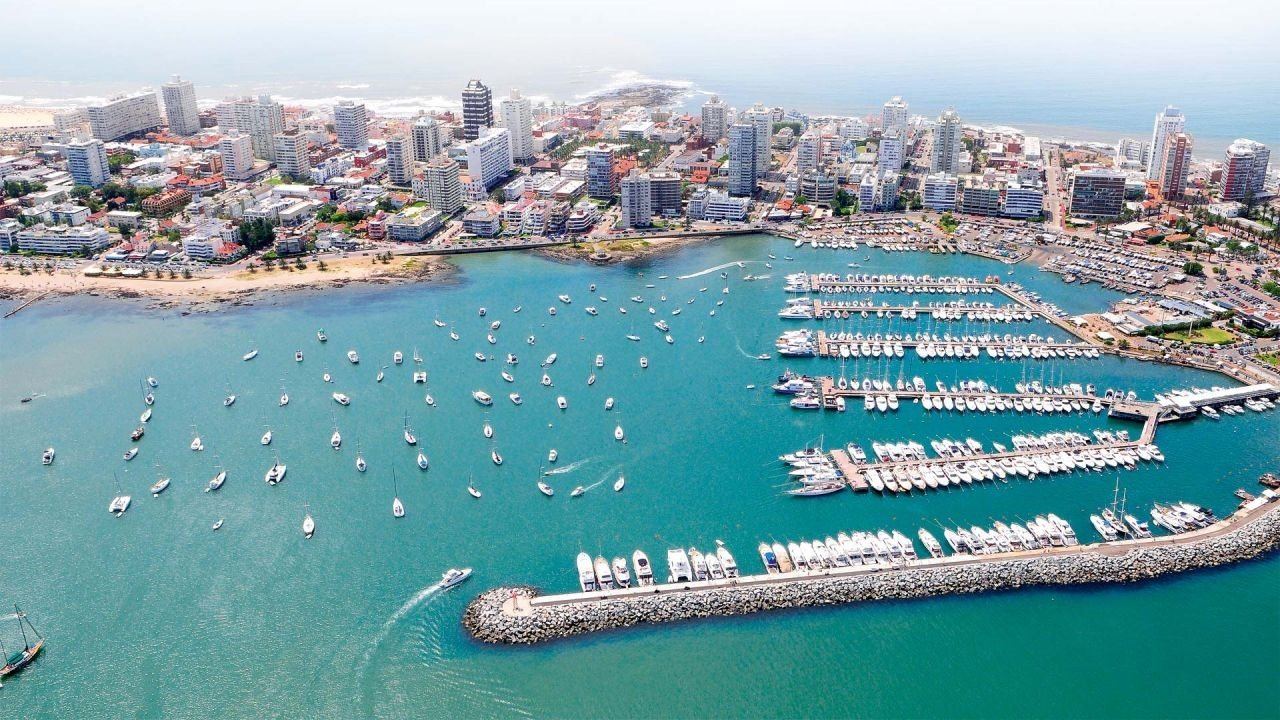
The story didn't stop at the towers. The Punta del Este of 2026 is a city that runs twelve months a year: the department of Maldonado reached 212.954 inhabitants in the INE's 2023 Census, with schools, private clinics, a shopping mall and an international airport. It's also a growing university hub: the educational cluster created in 2009 went from about 2.000 to more than 12.700 tertiary students. And the pioneers' building drive is still alive: more than 70 active developments and around 5,5 million square meters filed in the last 7 years, as reference figures for July 2026. And the internationalization Gorlero dreamed of is now part of daily routine: on a single block you'll find Uruguayan buyers —who keep activity going twelve months a year—, alongside Argentines, Brazilians and Europeans. We cover that transformation in detail in Living year-round in Punta del Este and in our relocation guide.
Whoever buys an apartment facing the Mansa today, or a house under the pines of Burnett, isn't just buying square meters: they're stepping into a story of more than 160 years that began with a lighthouse and never stopped growing. That continuity —from the pulpería to today's towers— is, perhaps, the east coast's most solid asset.
Frequently asked questions
When was Punta del Este founded?
Officially, on 5 July 1907: that day law 3.186 declared the settlement that had grown up around the lighthouse a town and fixed the name Punta del Este. The place's history, though, starts earlier: the lighthouse has been operating since 1860, and the peninsula saw activity from fishermen and whalers as far back as the late 18th century.
Why was Punta del Este once called Ituzaingó?
In 1829 the merchant Francisco Aguilar proposed founding a town on the peninsula called Ituzaingó, in tribute to the battle of 1827. The formal project didn't succeed, but the name stuck: the hamlet became known as Villa Ituzaingó until the law of 1907 declared it a town under the name Punta del Este.
Who was Juan Gorlero?
Juan Gorlero (1849-1915) was the great driving force behind the resort town: manager of the Banco República in Maldonado, promoter of the company that financed the infrastructure and the Hotel Biarritz, and the first mayor of Maldonado in 1909. In 1918 the peninsula's main street, the old Calle 4, was renamed Avenida Gorlero in his honor.
Since when has Punta del Este been an international resort town?
The first summer visitors arrived around 1907 by steamship from the Río de la Plata, and the grand hotels of the early 20th century already welcomed Argentine visitors. International standing took hold by mid-century, with the casino hotels of the 40s, the 1951 film festival, and the construction boom of the 70s.
When did the railway reach Punta del Este?
The eastern line reached Maldonado in 1910, and on January 1st, 1930, the final stretch to Punta del Este was opened, with a trip of about four hours from Montevideo. The service ran for more than half a century, until its last trip on November 28, 1982; where the station once stood, the bus terminal now operates.
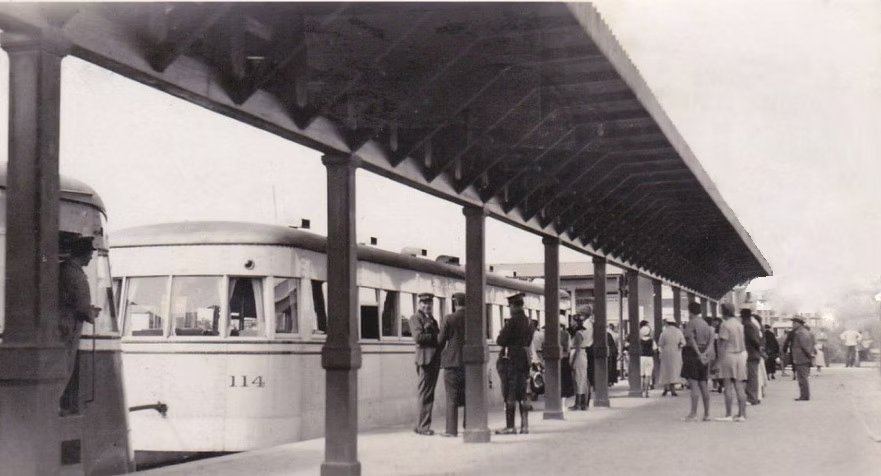
More than a century after those 492 souls by the lighthouse, the point keeps growing, and against what you'd expect, it looks better every year: more trees, better buildings, a coastline that's cared for. Walking the Península today means reading, on a single block, the Ibiza-born lighthouse keeper, the 1950s summer visitor, and the tower rising across the street. That layer upon layer of history is what no new city can buy. It's, ultimately, what makes the bricks here worth what they're worth.
Sources
If you'd like to know the city beyond the postcard, get in touch. We've spent more than twenty years walking it, and that shows too when it's time to choose where to buy.