Why is it called La Barra? Who was José Ignacio? The origin of the names of the eastern beach towns tells, in miniature, the story of the whole region: there are geographic features (a sandbar, freshwater springs), a virgin and a battle, whales, a hand-planted forest, a colonial settler almost nothing is known about, and even a grill restaurant and a real-estate sign. Every name is a layer of history stuck to the map.
Let's go beach by beach. And if you want the full story of how the village became a city, it's in our history of Punta del Este.
Punta del Este was called Candelaria and Ituzaingó before being Punta del Este
The first name was given by a navigator: when Juan Díaz de Solís passed through these waters in 1516, the spot was named Puerto de Nuestra Señora de la Candelaria. Three centuries later, in 1829, the merchant Francisco Aguilar wanted to found a town here called Ituzaingó, in honor of the 1827 battle in which the criollos defeated the Brazilian empire. The settlement was known as Villa Ituzaingó for almost eighty years, until the law of 1907 settled the debate in favor of plain geography: the town would be named after the landform that defines it, Punta del Este.
Of the three names, the simplest one won. And something of that stuck in the city's character: here, geography always calls the shots.
Mansa and Brava: the water gave them their names
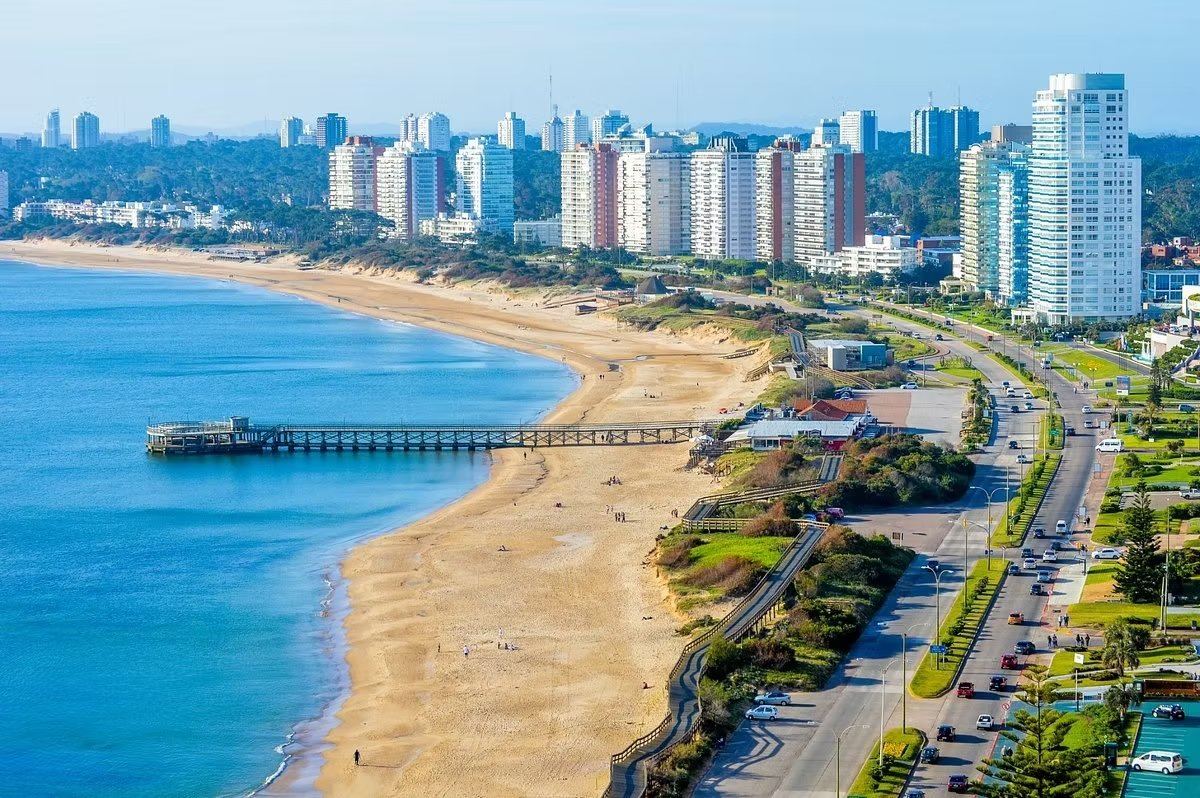
The peninsula splits the map in two, and the two coasts couldn't be more different. On the bay side, with the estuary's calm water, lies Playa Mansa; on the side open to the Atlantic, with ocean swell, Playa Brava. The fishermen who named them didn't need poets: they simply described the water, and the description turned out to be so accurate that, a century later, it's still the best practical guide for choosing a beach depending on the day.
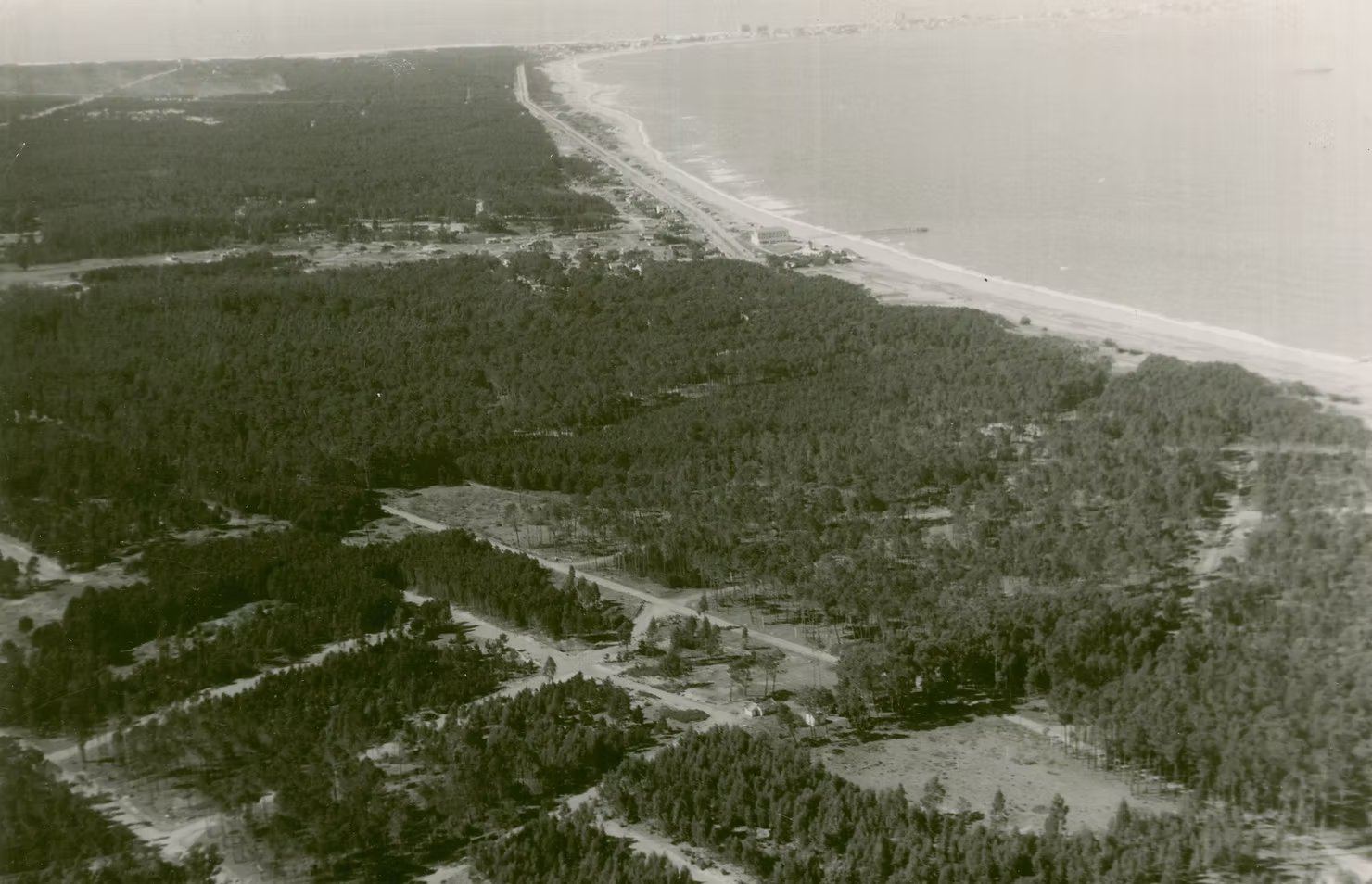
Other names in the area came about just as naturally. Pinares owes its name to the forest that the afforestation of the late 19th and early 20th centuries left over the dunes: where there used to be drifting sand, there are now tree-lined streets and houses among the pines. And Aidy Grill, as the neighborhood story goes, took its name from an old barbecue restaurant of the same name that was a landmark for early visitors: the restaurant is gone, but the name stayed forever.
Punta Ballena: whales in sight and the Lussich forest
The name Punta Ballena comes from its oldest visitors: the southern right whales that came to these waters to calve — and that can still be seen in winter today. The more vivid version adds that the ridge itself, seen from the sea, traces the back of a whale entering the water. On that rocky point, Antonio Lussich bought land and founded his arboretum in 1896, one of the region's most important planted forests; half a century later, Carlos Páez Vilaró would begin shaping Casapueblo on that same landscape.
Nearby, Solanas got its name in a more modern way: it took it from the Solanas del Mar, the first hotel built in the area.
La Barra, Manantiales and Montoya: a sandbar, fresh water and a sign
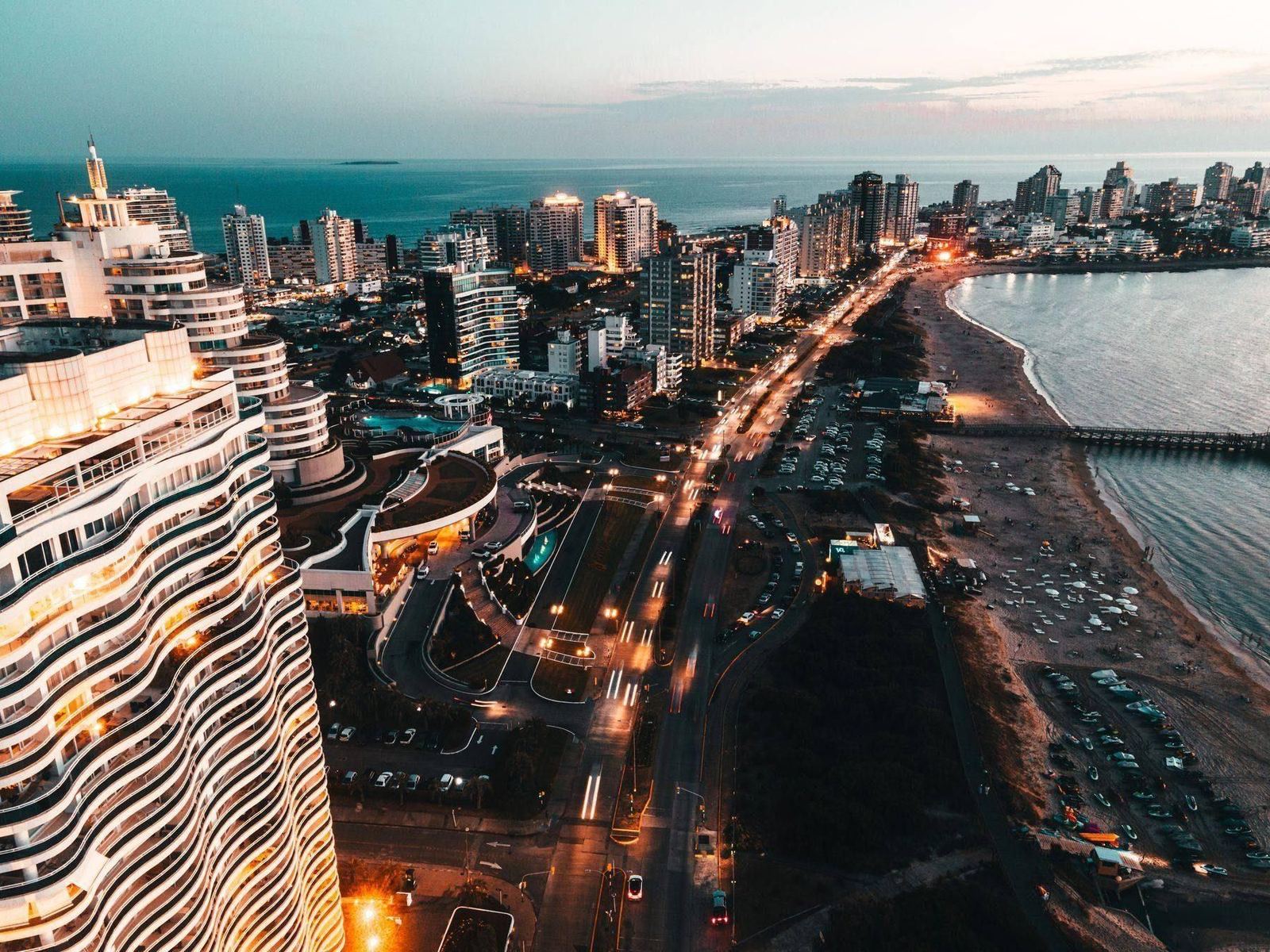
La Barra is geography in its purest form: a “barra” is the sandbar that forms where a stream meets the sea, and the resort town grew right there, at the mouth of the Maldonado stream, now crossed by the undulating bridge. Manantiales, a few kilometers further east, takes its name from the freshwater springs (“manantiales”) where the first settlers drew their water (the same water that, so the story goes, explains the name of its neighbor El Chorro).
Montoya beach has the least epic and most endearing origin of all: a real-estate agency called Montoya was subdividing and selling plots on that coast, and people started naming the beach after the sign. The commercial ad became a place name: few stories sum up better how the east was built.
From the Mansa to José Ignacio, we help you find your place in the east: over 20 years in the Punta del Este market.
José Ignacio: the most talked-about name in the east
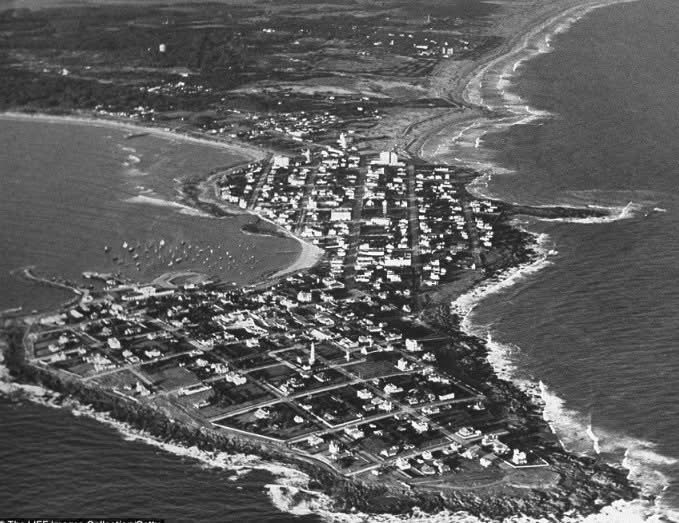
No one knows for certain who José Ignacio was, and that uncertainty is part of the charm of this lighthouse town. The most commonly told version speaks of a colonial-era settler, around 1728, linked to the transport of goods to Maldonado. Other legends propose a shipwreck victim buried under a wooden cross, or a cattle drover from the Misiones who worked livestock in the area. And there's a more sober explanation: that the resort town takes its name from the José Ignacio stream, which rises near Cerro Catedral and flows into the lagoon of the same name. The only thing documented with precision is the lighthouse, lit in 1877, thirty years before the first subdivision.
Its inland neighbor, La Juanita, holds a similar mystery: local lore still can't agree on who the original Juana was. Today it's one of the most sought-after spots in José Ignacio, and its general-store name and dirt road are part of the appeal.
Names are also a map of the market
None of this is just anecdote. Each of these names is today a clear real-estate identity: the Mansa of towers facing calm water, the Brava of waves and skyline, the Pinares of houses among trees, the bohemian La Barra of the stream, the José Ignacio of the lighthouse and silence. Whoever chooses where to buy in the east is choosing, without fully realizing it, one of these stories with centuries of sediment. That's why really knowing the neighborhoods (their origin, their character, their present) changes the search: we cover it zone by zone in the guide to living in Punta del Este and in Living year-round.
RESORT BY RESORT · THE ORIGIN OF EACH NAME
Geography rules
It was Candelaria (1516) and Ituzaingó (1829) until the law of 1907 imposed the name of the geographic feature.
The calm sea
The sheltered bay coast, with gentle waves: a descriptive name from the earliest settlers.
The open sea
The ocean coast, with strong surf. The other half of the most practical pair in local place names.
A planted forest
The pines planted on the dunes in the late 19th century gave the neighborhood its name.
A famous grill
An old barbecue restaurant of the same name, a landmark for early visitors, gave the area its name.
Whales in sight
The right whales that used to breed off the point; the ridge itself traces a back running into the sea.
A sandbank
The sandbar formed by the Arroyo Maldonado where it flows into the sea, today crossed by the undulating bridge.
Fresh water
The springs where settlers once drew water; its neighbor El Chorro repeats the theme.
A for-sale sign
The Montoya real estate agency was subdividing that beach into lots; the ad became a place name.
A colonial mystery
A settler of 1728, a shipwrecked sailor, a cattle drover, or the stream of the same name? There's no definitive version.
Frequently asked questions
Why is it called La Barra?
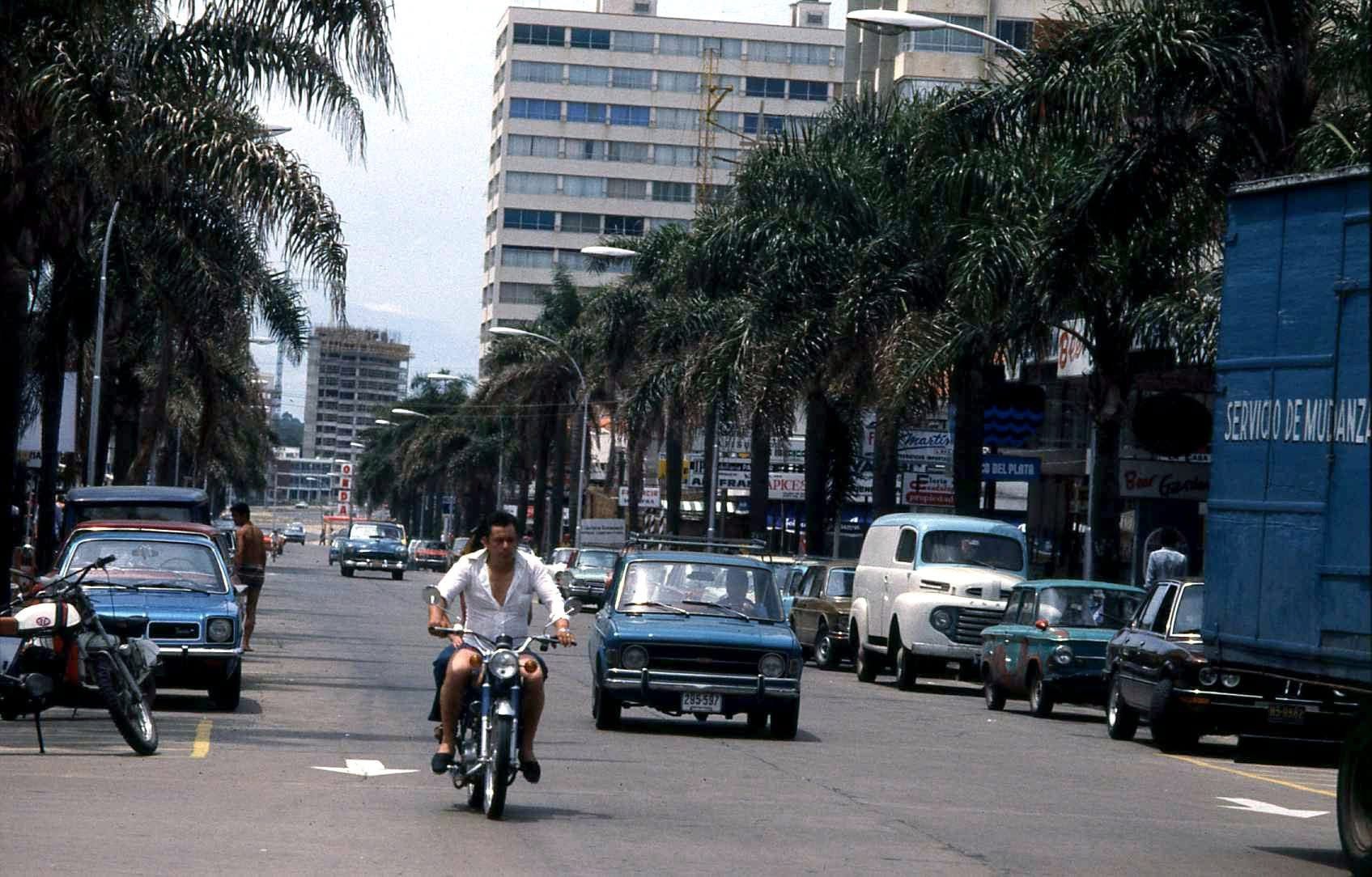
Pure geography: a “barra” (sandbar) is the bank of sand that forms where a stream flows into the sea. La Barra grew up right at the mouth of the Maldonado stream, and that coastal feature — which you have to cross via the wavy bridge — ended up giving the resort town its name.
Where does the name José Ignacio come from?
The most-told version speaks of a colonial-era settler, around 1728, linked to moving goods toward Maldonado. But there are others: a shipwrecked sailor buried under a cross, a drover from the Misiones, or simply the José Ignacio stream that flows down from Cerro Catedral. The mystery is part of the town's charm.
Why are the beaches called Mansa and Brava?
Because the peninsula divides two waters: on the bay side, sheltered with gentle waves, lies the Mansa; on the side open to the Atlantic Ocean, with strong surf, the Brava. These are descriptive names given by the first settlers, and they're still the best practical guide for choosing a beach.
What was Ituzaingó?
It was the first name of what is now Punta del Este: in 1829 Francisco Aguilar proposed founding a town on the peninsula called Ituzaingó, in honor of the battle of 1827 against the empire of Brazil. The settlement was known as Villa Ituzaingó until the law of 1907 declared it a town under the name Punta del Este.
Sources
Every resort town in the east has its own character, not just its name. If you'd like us to tell you what life is like in each one, write to us.