Living year-round in Punta del Este has stopped being unusual. Maldonado is the department that has grown the most in the country: the INE's 2023 Census counted 212.954 residents, 23,7% more than in 2011, and much of that jump is families who moved here. The city runs all twelve months, with bilingual private schools, hospitals, a shopping mall, an international airport at Laguna del Sauce, and Montevideo an hour and forty-five minutes away via the Ruta Interbalnearia. The question is no longer whether you can live here year-round; it's which neighborhood to do it in.
What the city is like out of season, what services it really has, and which neighborhoods the ones who stay settle in.
The city that stopped being just a beach resort
For decades, Punta del Este lived to the rhythm of summer. That changed, and the change accelerated after 2020: families from Montevideo, Buenos Aires, and elsewhere in the world discovered they could work from wherever they wanted, and chose to do it by the sea. The result is a city with a life of its own in the middle of winter: shops open, restaurants running, construction underway, and whole neighborhoods with their lights on in July.
For someone coming from a big city, the equation is simple: human scale, safety, nature, and city-level services, without giving up connectivity. For someone who has always spent summers here, it's the move they've been putting off.
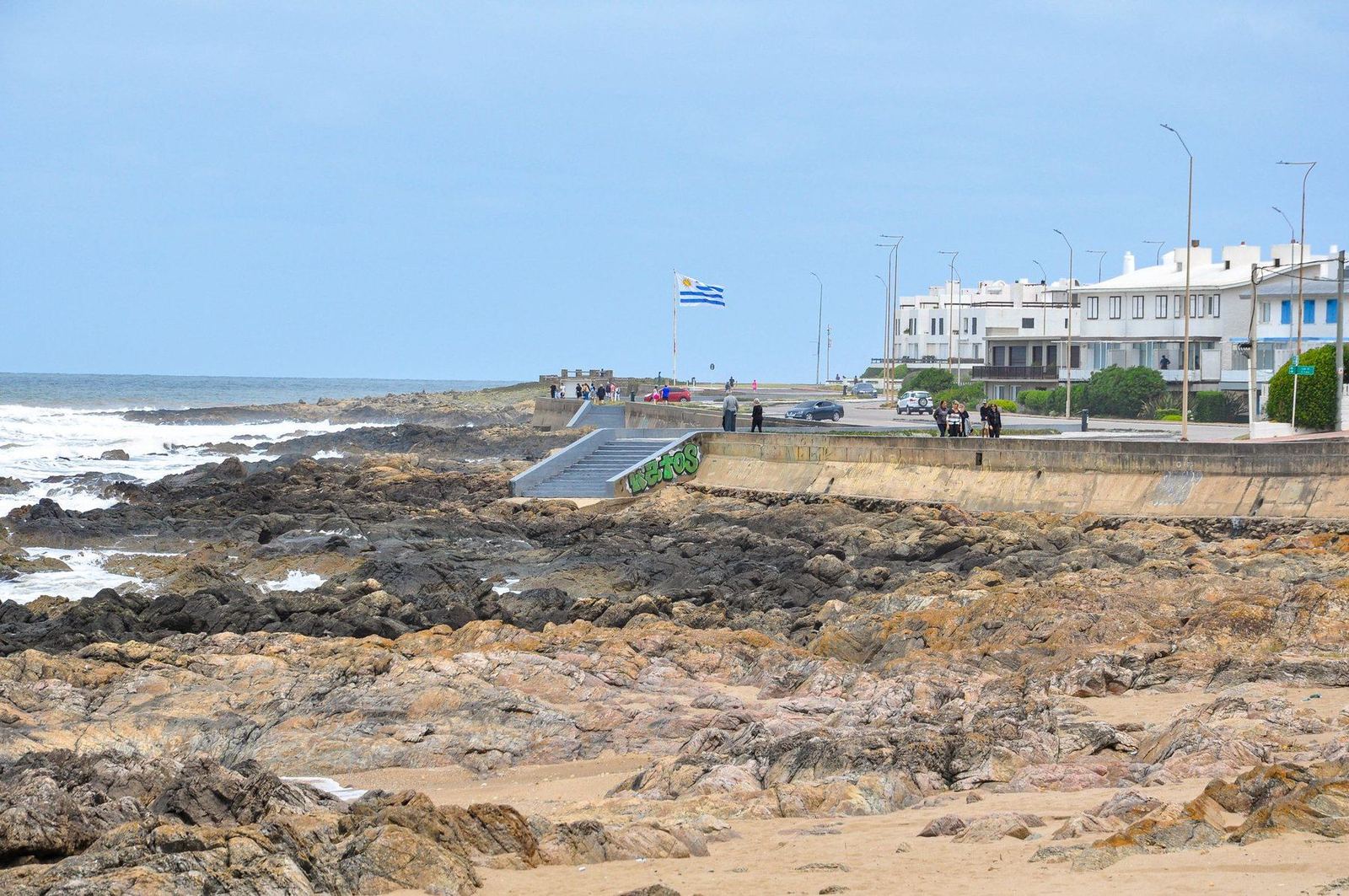
And there's a nuance you only understand by living it: winter in Punta del Este has its own charm. The city decompresses, the beaches are left to those who walk, restaurants serve without a waiting list, and neighbors know each other by name. Anyone who tries a July by the sea rarely wants to go back to how things were before.
Punta del Este, year-round · ref. July 2026
1h45
From Montevideo · Ruta Interbalnearia
212.954
Inhabitants · Maldonado (INE 2023)
Intl.
Laguna del Sauce Airport
365
City days · schools, health, shopping
Reference values as of July 2026.
Schools, healthcare and everyday life all twelve months
Infrastructure is where Punta del Este sets itself apart from any other seaside resort in the region. The city and its surroundings have full-cycle private schools, several with bilingual and international programs, that welcome new students from newly arrived families every year. On the health side, there are private clinics and medical services running year-round. And daily life is handled without traveling: a shopping mall, supermarkets, banks, gyms, and a dining scene that no longer closes in March.
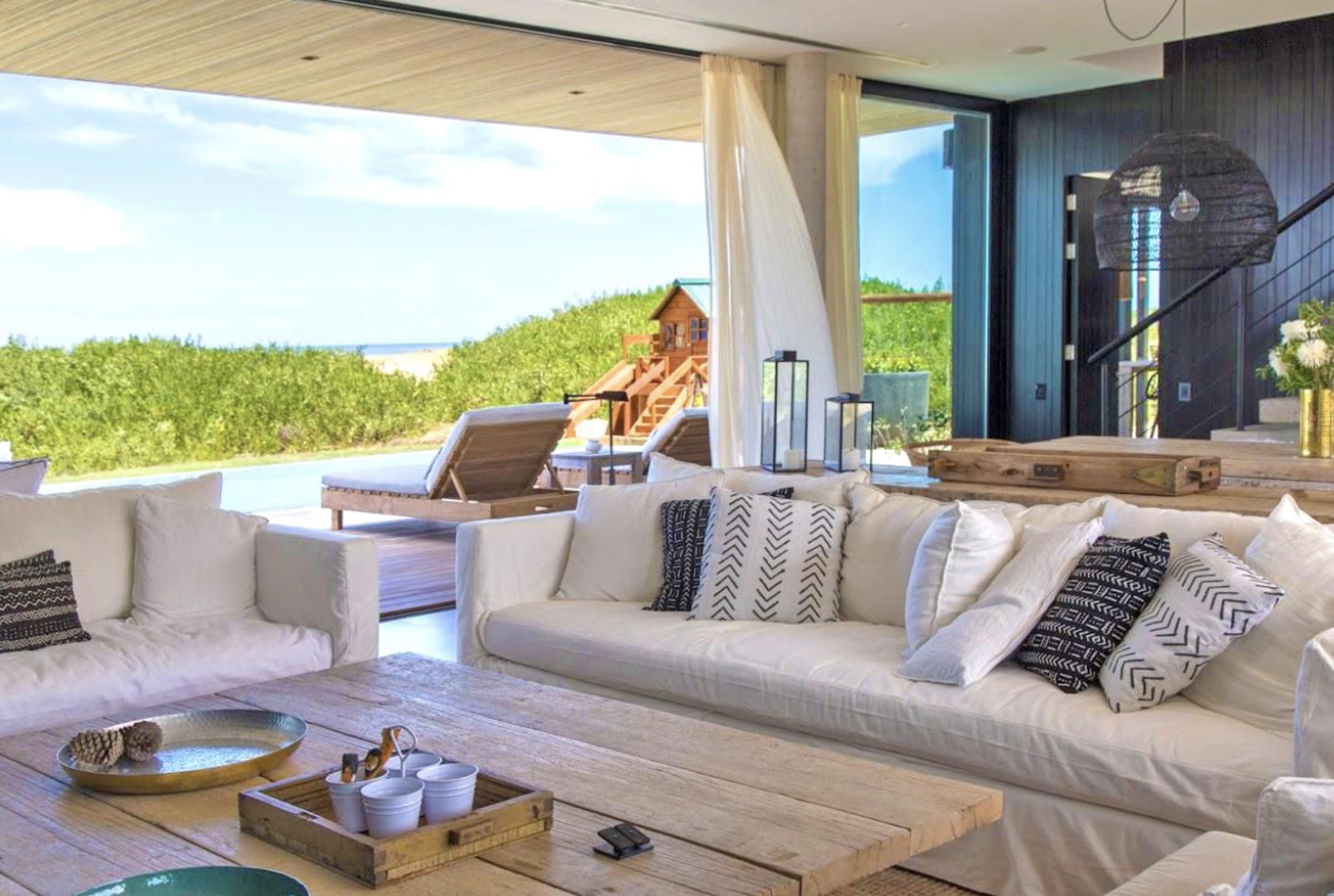
On top of that comes what money can't buy: miles of beach and boardwalk to walk all year round, forest and lagoons just minutes away, and a pace of life that lets kids go to school close to home and adults get to work without losing an hour a day in traffic.

The areas permanent residents choose
Not every neighborhood in Punta del Este is built for year-round living: some depend on the season and go quiet in winter; others have a corner store, pharmacy, school, and neighbors all twelve months. Permanent residents concentrate in areas with nearby services, a stable community, and everyday scale:
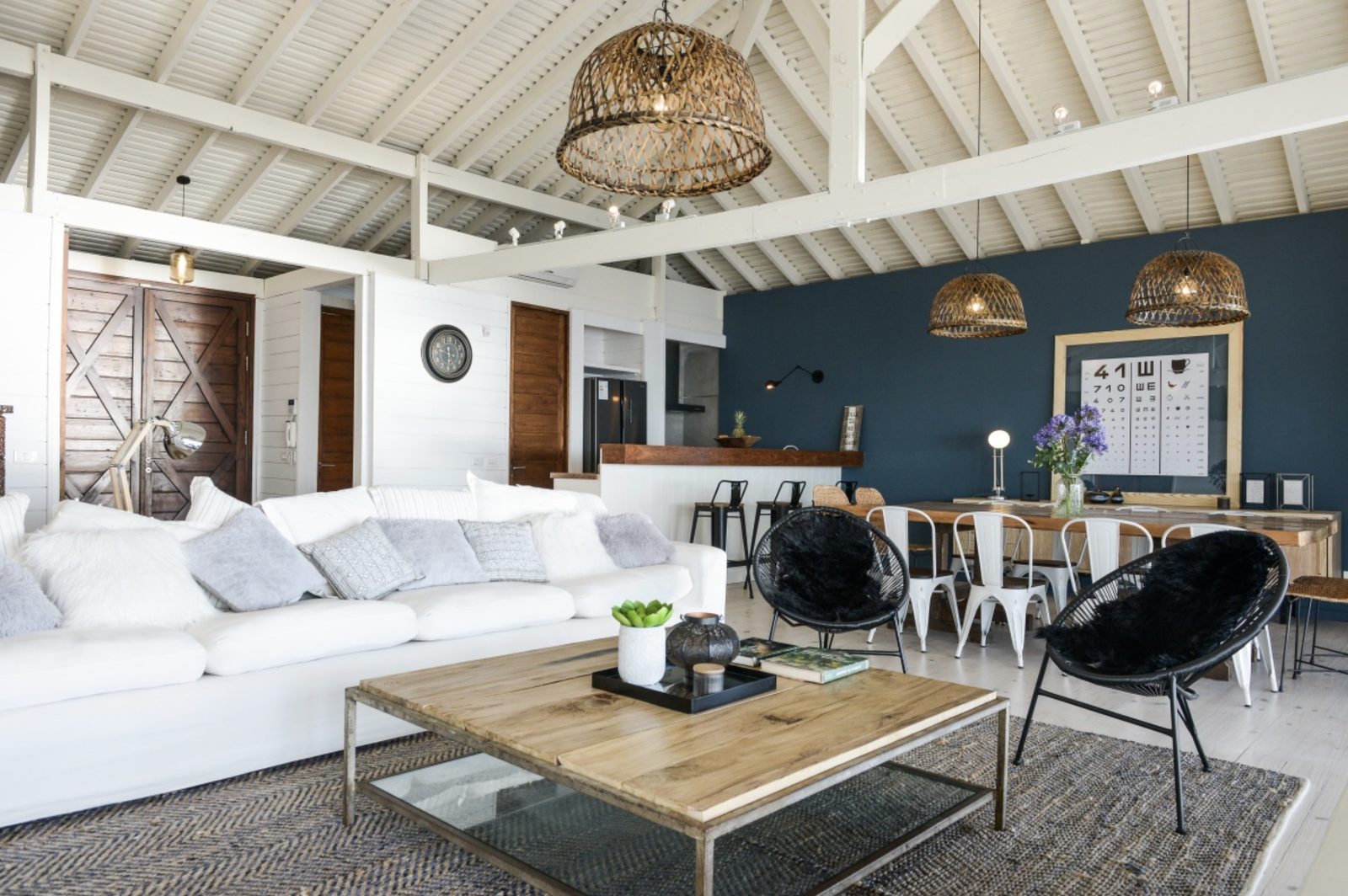
- Roosevelt. The city's services hub: shops, schools and everything within reach. Ideal for daily family logistics.
- Pinares. Residential and tree-lined, with sizeable houses and an established community of year-round residents.
- Lugano. A quiet-scale neighborhood, chosen by families who prioritize space and closeness to schools.
- Aidy Grill. Practical and well connected, between Playa Mansa and the commercial hub: daily life is walkable.
- Playa Mansa. On the calm sea, with full-service towers: the choice for anyone who wants to live with the sea in view.
- Punta Ballena. Nature, views and quiet fifteen minutes from downtown; close to the airport and the lagoon.
If your search is aimed at more land (a large plot, a country estate, a gated community), the rural surroundings of the city deserve a chapter of their own: we cover it in our guide to gated communities and country estates near Punta del Este.
We help you choose the neighborhood, the house and the path: we support relocations for families from Uruguay, Argentina and abroad, with over 20 years in the Punta del Este market.
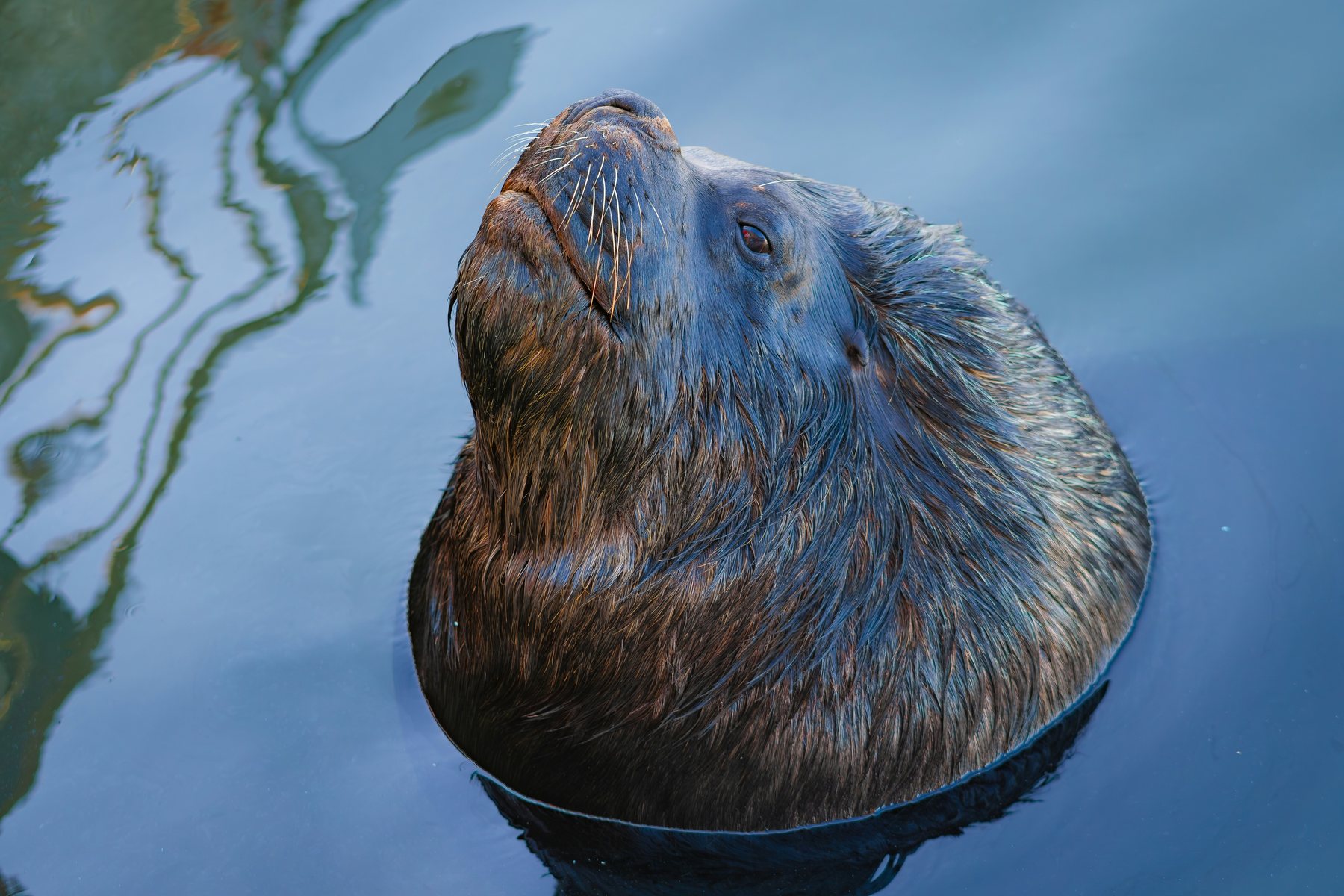
Moving the right way: the home, the paperwork, and the order of steps
A permanent move has two tracks that are best kept separate. The first is the real-estate side: finding the property. Many families start with a year-round rental to choose a neighborhood without rushing, and buy later with real knowledge; others go straight for houses for sale because they already know the city from years of summers here. Both paths work: what matters is visiting the neighborhoods in winter before deciding.
The second track is the administrative one. Legal (immigration) residency and tax residency are different procedures: you can live in Uruguay without being a tax resident, and vice versa. If your move includes changing your tax situation, the tax residency in Uruguay guide explains the paths — by days of presence or by investment — and their benefits. And for the full picture of the settling-in process, there's our relocation to Punta del Este guide.
One last piece of practical advice: make the move in stages. First a scouting trip off-season, then the decision on the neighborhood, and only then the property. Moves that go well have almost always followed that order; the ones that get complicated usually started by buying the house that stole your heart in January, without having seen the neighborhood on a Tuesday in August.

Frequently asked questions
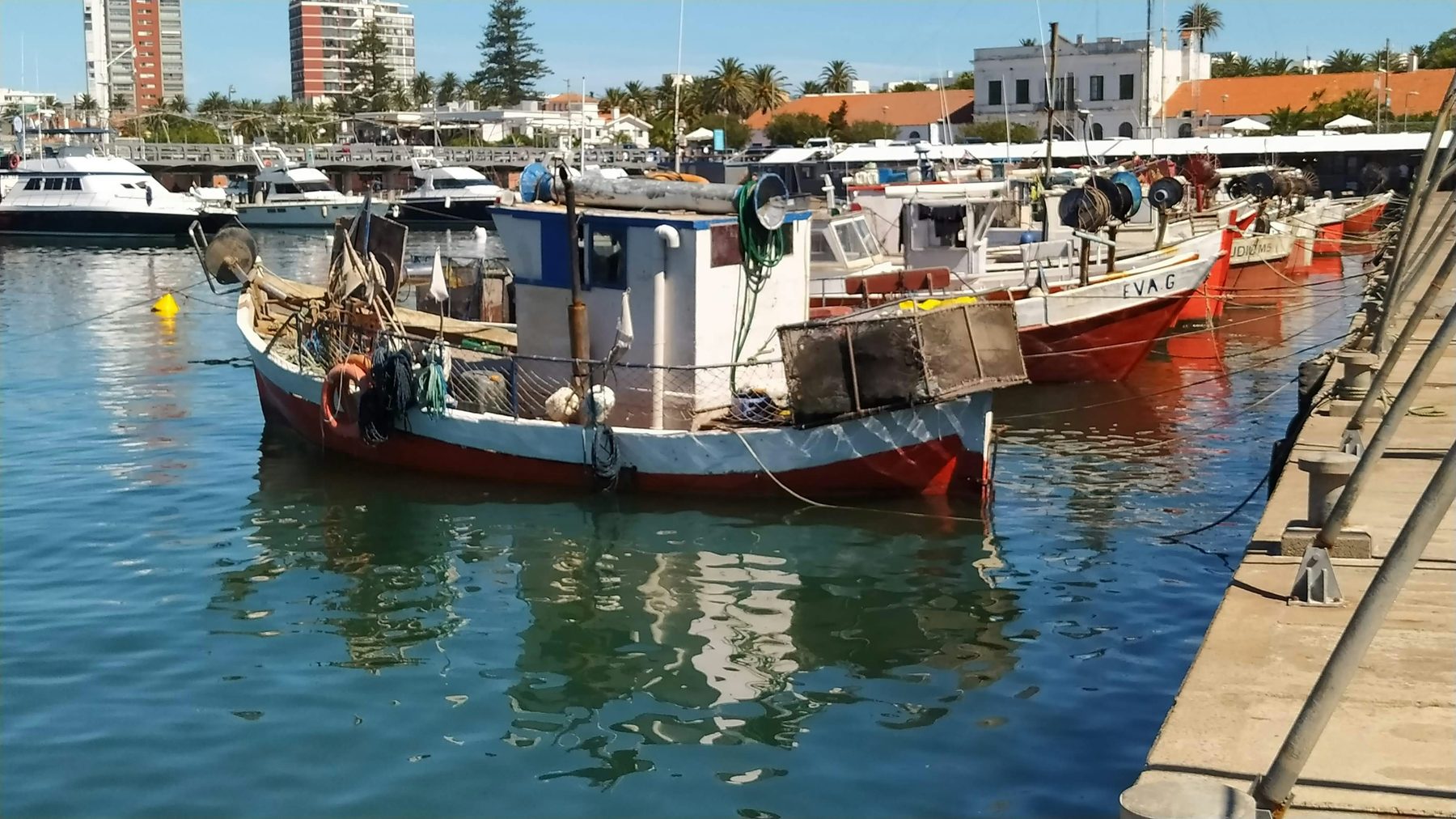
Can you live in Punta del Este all year round?
Yes, and more and more families are doing it. The department of Maldonado reached 212.954 inhabitants in the INE's 2023 Census, 23,7% more than in 2011: the biggest growth in the whole country. The city runs year-round: private schools — several bilingual — clinics, a shopping mall, and shops and services open all year.
Which areas do permanent residents choose?
The areas most chosen by year-round residents are Roosevelt, Pinares, Lugano, Aidy Grill, Playa Mansa and Punta Ballena: neighborhoods with services nearby, an everyday scale and good access to schools, clinics and shops. The fine choice depends on whether you prioritize the sea, trees or proximity to services.
What's connectivity like in Punta del Este?
Montevideo is about 1 hour 45 away via the Ruta Interbalnearia, and the Laguna del Sauce international airport is minutes from the city, with flights connecting to the region. For those who work remotely or travel often, the logistics are simple.
Are there schools and healthcare services all year round?
Yes. The city has full-cycle private schools (several with bilingual and international programs), private clinics and medical services, plus a mall and shops open all twelve months. It's the infrastructure of a city, not a seaside resort.
Sources
If you're thinking of moving here, the best advice is free: come for a weekend in August before deciding anything. And if you'd like us to show you the neighborhoods with a local's eye, get in touch.